

American History

The Native American Graves Protection and Repatriation Act, or NAGPRA, is a federal law that requires a museum or institution to publish public notices if any human remains or funerary objects it holds belong to a tribal nation.
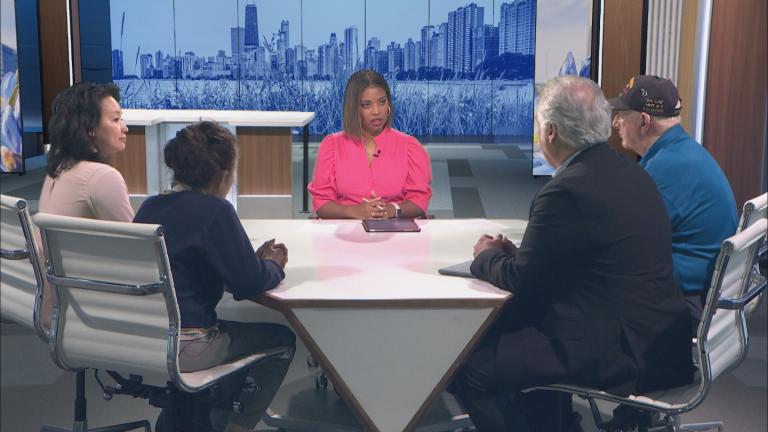

This week marks the 50th anniversary of the end of the Vietnam War, which is also known as the fall of Saigon. The conflict killed millions of Vietnamese and 60,000 American service members.
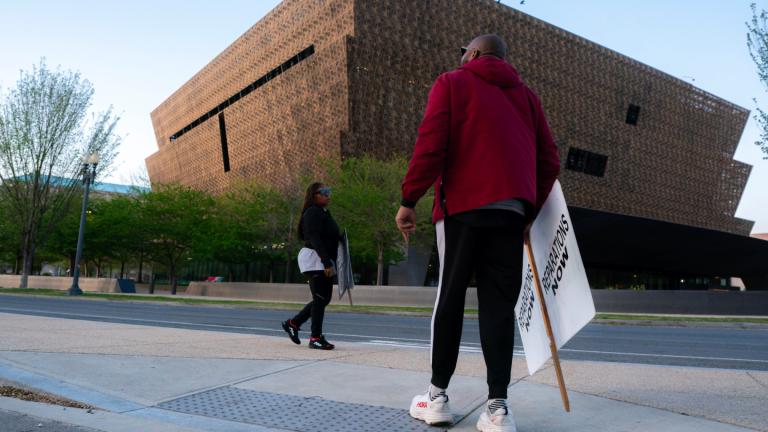
In a March 27 executive order, President Donald Trump alleged that Smithsonian exhibits had disparaged the nation’s history via a “divisive, race-centered ideology.” A group of pastors is pushing back.
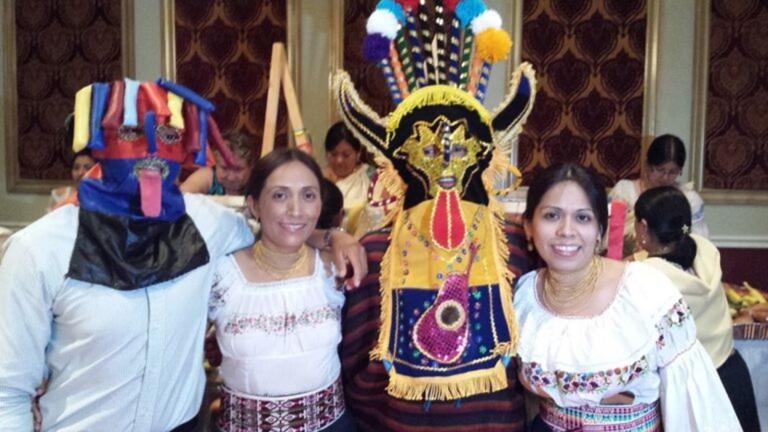
Glamorous Quinceañera dresses and an Indigenous ceremonial mask are among the items that will be on display in “Aquí en Chicago,” an upcoming Chicago History Museum exhibit celebrating the long history of Latinos in the city.
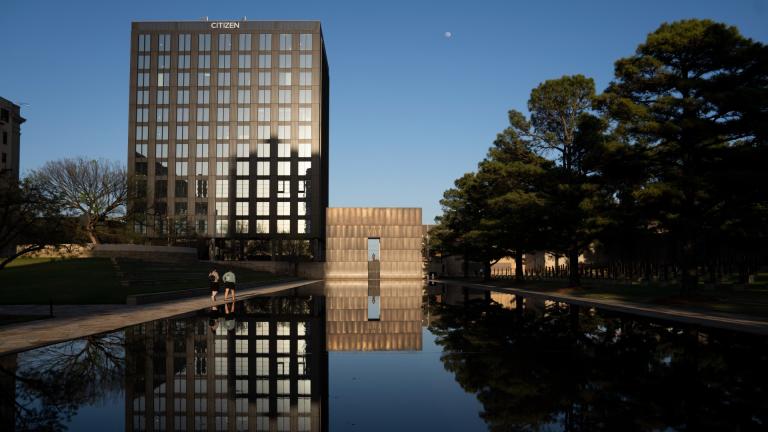
From a mother who lost her first-born baby, a son who never got to know his father, and a young man so badly injured that he still struggles to breathe, three decades have not healed the wounds from the Oklahoma City bombing on April 19, 1995.
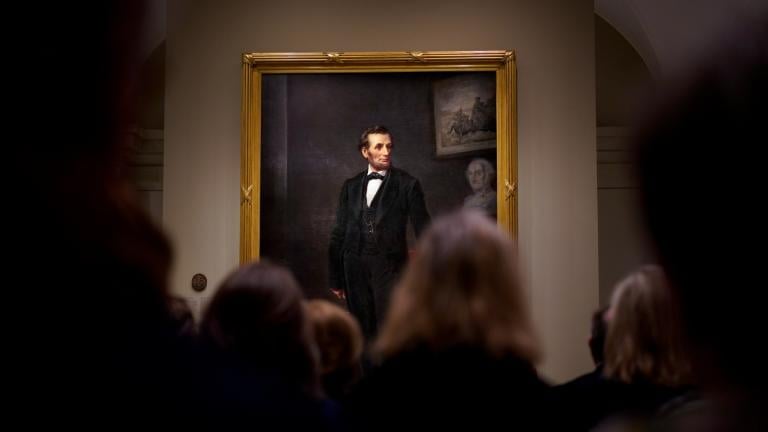
State councils have been working on programming for America250, an initiative marking the milestone anniversary of the signing of the Declaration of Independence in 1776. But the Republican administration’s deep cost-cutting effort across the federal government has led the National Endowment for the Humanities to cancel its grants.
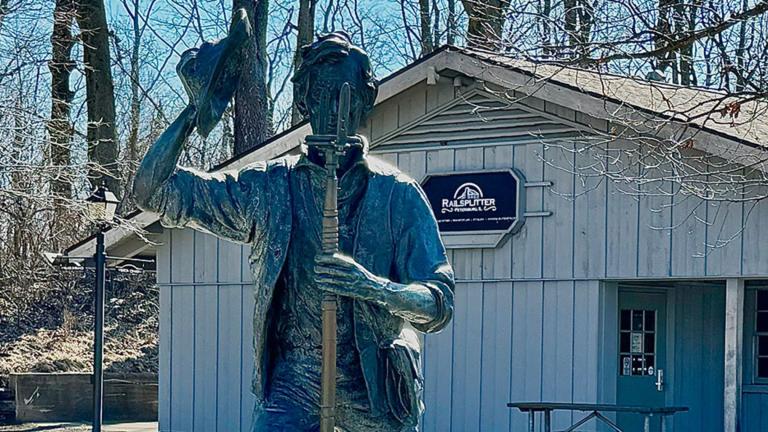
Lincoln’s New Salem State Historic Site is a replica of the hamlet where Lincoln lived for six years during his early adulthood, and where he won his first elective office – though only after losing his first election.
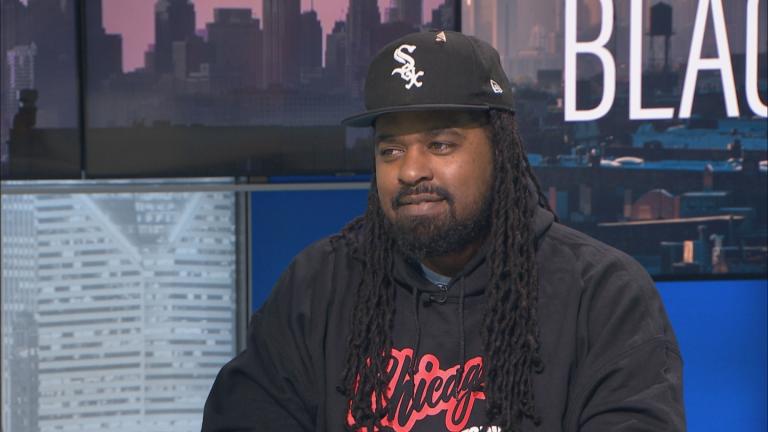
Shermann “Dilla” Thomas has a new gig at theDuSable Black History Museum as a brand ambassador and social media chief — an opportunity he’s called a “dream job.” It’s just one of his many projects — from giving bus tours to posting on TikTok about the city’s lesser-known history.
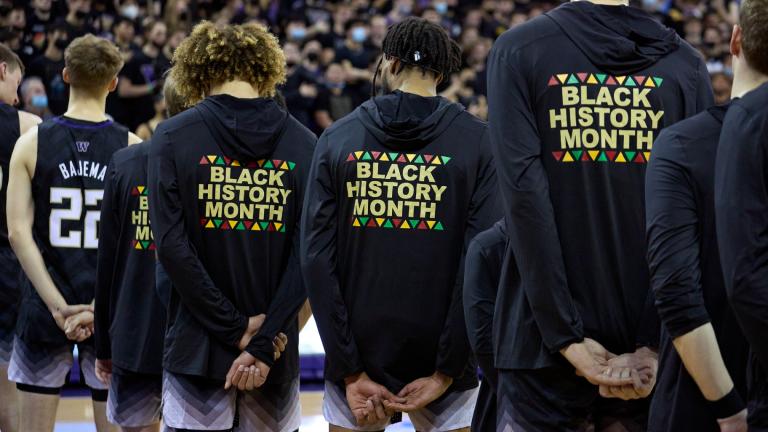
The history of the month dates back almost a century, and the way it is celebrated and evolved has created history in itself.
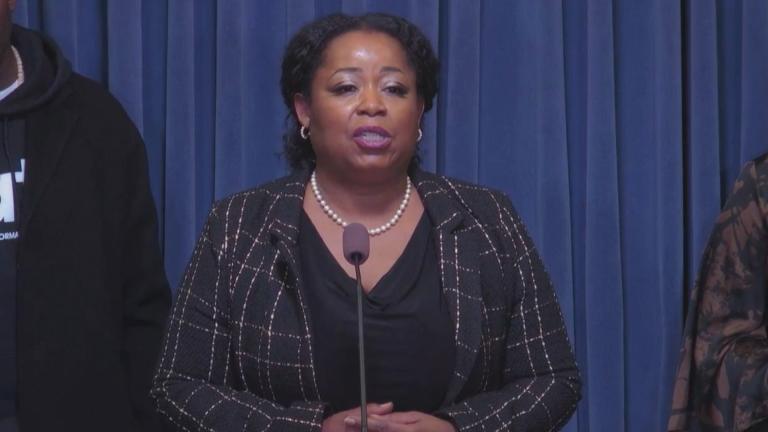
State Rep. Sonya Harper (D-Chicago), sponsor of the Enslavement Era Disclosure and Redress Act, said it’s a way for corporations that profited on the backs of enslaved people to help repair the legacy of harm caused for generations of Black Americans.
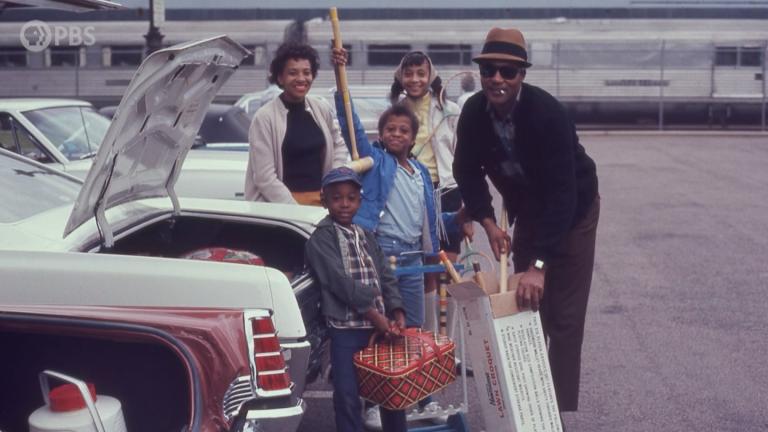
The first episode of the four-part series, called “Exodus,” details the first wave of migration north from southern states that helped turn the Bronzeville neighborhood of Chicago into a Black metropolis.
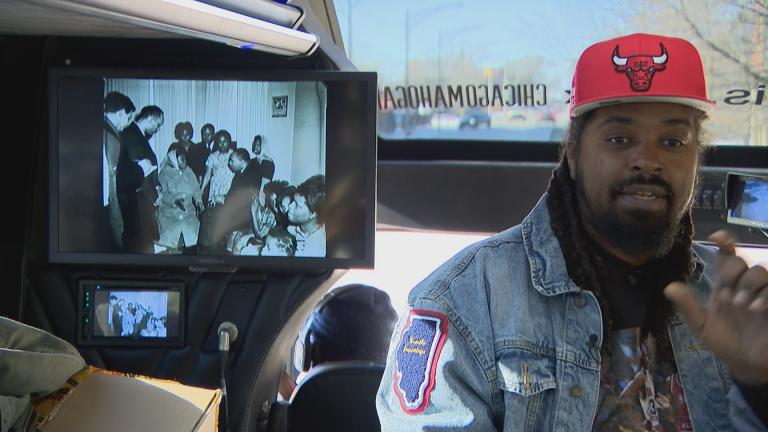
Almost six decades later, urban historian Shermann “Dilla” Thomas is making sure new generations know the details of Martin Luther King Jr.’s time in Chicago through his educational tours of the city’s neighborhoods.
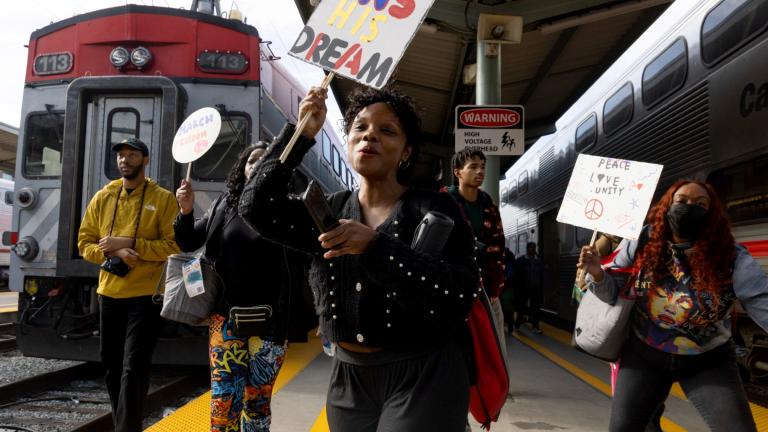
While it is now a time-honored tradition, the establishment of the holiday had a prolonged, difficult path to acceptance.
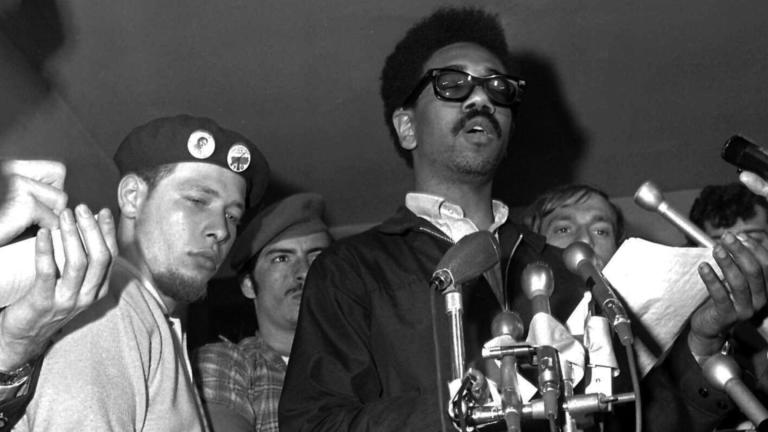
José “Cha Cha” Jiménez in the 1960s founded the Young Lords as a street gang to counter the growing hostility toward the Puerto Rican community in Lincoln Park, at the time one of the most impoverished neighborhoods of Chicago.
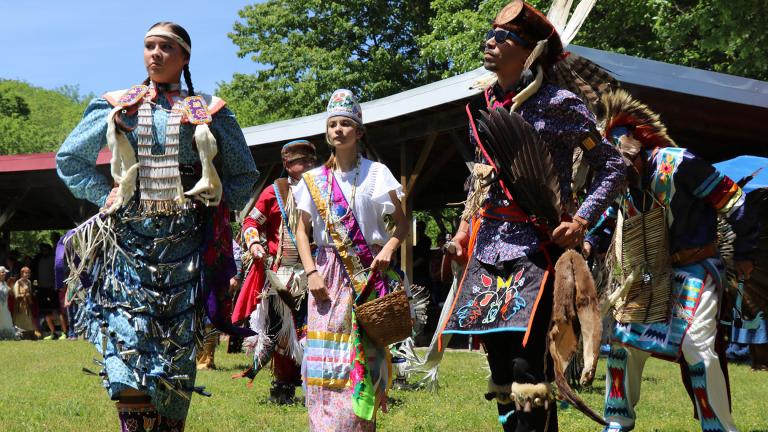
Chicago is home to one of the largest urban Native American populations in the United States. More than 65,000 Native Americans live in the greater metropolitan area, representing about 175 different tribes.
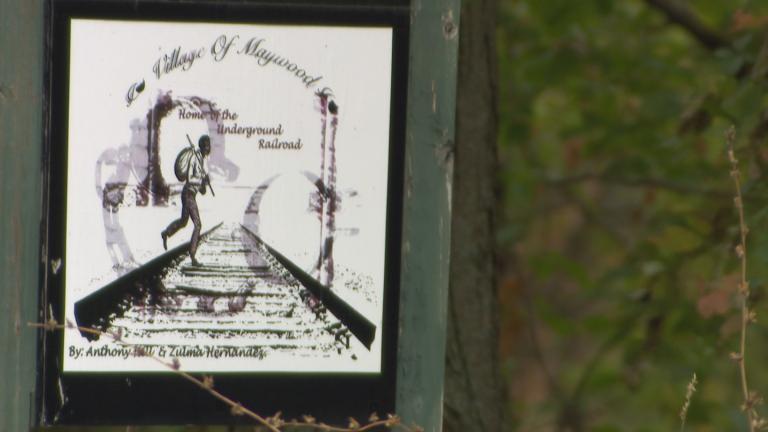
“Too many in Illinois believe we need to travel to the East Coast to visit locations on the Underground Railroad, unaware of the enormous activity that took place in their own backyards here,” task force member and Tazewell County Clerk John Ackerman said.
Trending
Who Is Running, or Thinking About Running, to Become Chicago’s Next Mayor

Suspend CPD Officers, Sergeant Repeatedly Accused of Making Improper Traffic Stops for a Combined 330 Days: Police Brass

No Tax Hikes or Layoffs Needed to Close Cook County’s $550M Gap Thanks to ‘Budget Magic’: Preckwinkle

Marimar Martinez Hopes New Lawsuit Could Spur Criminal Charges 1 Year After Border Patrol Agent Shot Her

Hilario Dominguez, Candidate for CPS Board President, Defends Conduct as Watchdog Reopens Probe Into Inappropriate Behavior Allegations

Sign up for the WTTW News newsletter