

2024 Election
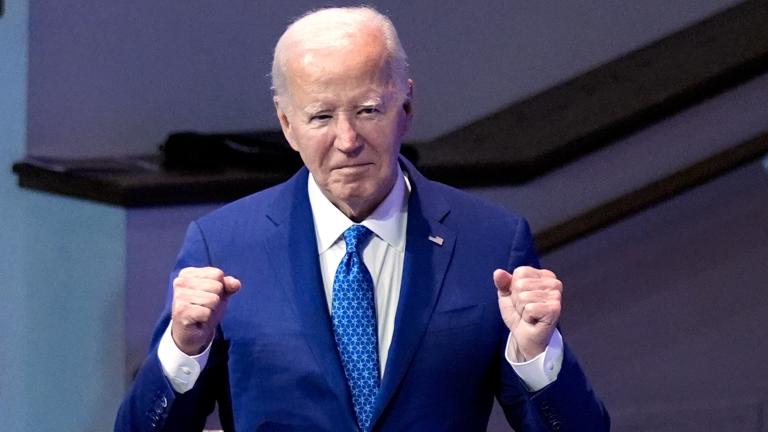
Biden's efforts to shore up a deeply anxious Democratic Party came Monday as lawmakers returned to Washington confronting a choice: Decide whether to work to revive his campaign or try to edge out the party leader, a make-or-break time for his reelection and their own political futures.
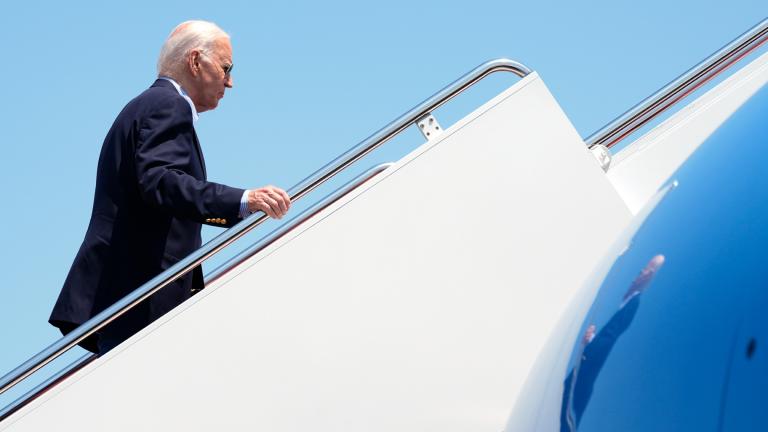
It could be a watershed moment for Biden, who is under pressure to bow out of the campaign after his disastrous debate performance against Republican Donald Trump ignited concern that the 81-year-old Democrat is not up for the job for another four years.


Wednesday’s meeting comes on the heels of President Joe Biden’s performance during the first of two scheduled debates with former President Donald Trump last week, which raised concerns about Biden’s mental acuity.
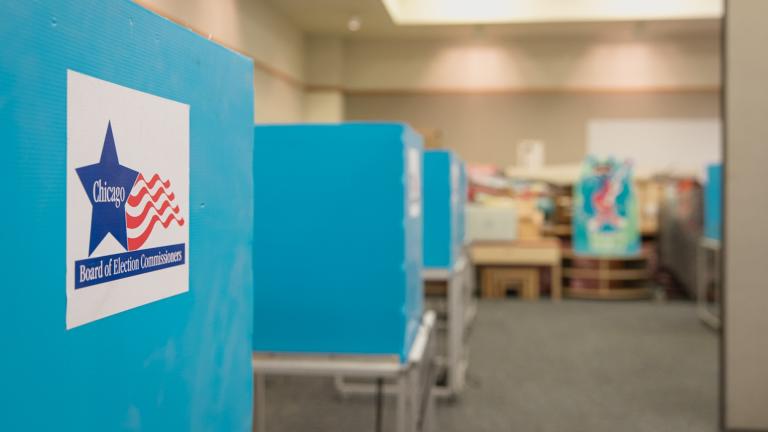
According to the Chicago Board of Elections, 42 challenges have been filed against 27 candidates — some faced multiple objections — mostly alleging the candidates didn’t meet the 1,000-signature threshold to appear on the ballot in November.
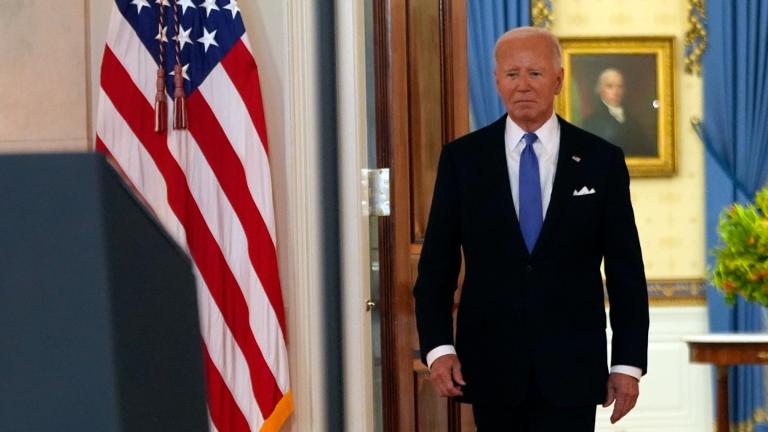
The Democratic president has signaled he has no intention of dropping out of the race despite the halting and uneven debate delivery that threw a spotlight on questions about Biden’s age. But as Democrats make the case the stakes of the election are momentous they’re wrestling with how to approach the 81-year-old.
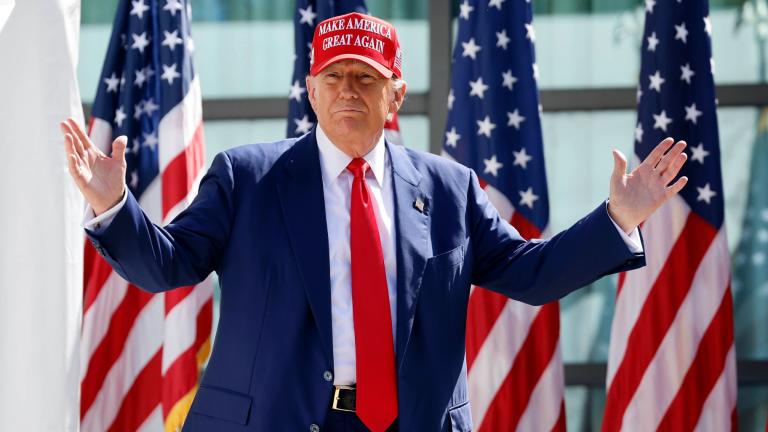
The postponement sets the sentencing for Sept. 18 at the earliest — if it happens at all, since Trump’s lawyers are arguing that the Supreme Court ruling merits not only delaying the sentencing but tossing out his conviction.
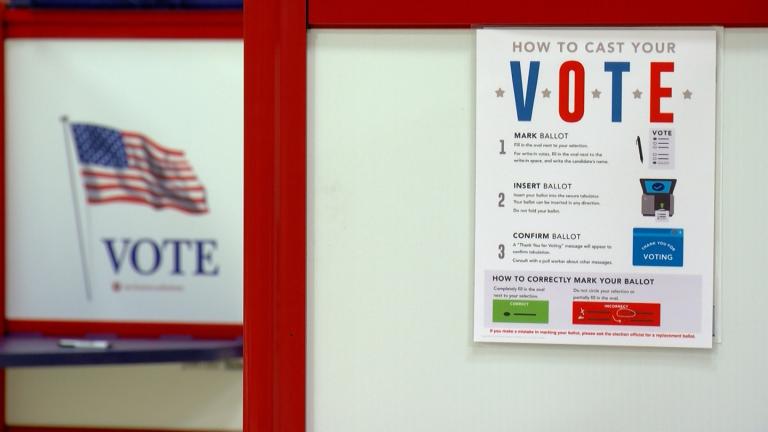
Changes to primary election fundraising, the electoral college and the state’s voter registration database are now law after Gov. J.B. Pritzker signed a wide-ranging bill. The legislation, containing several unrelated election measures, passed near the end of the legislature’s spring session.
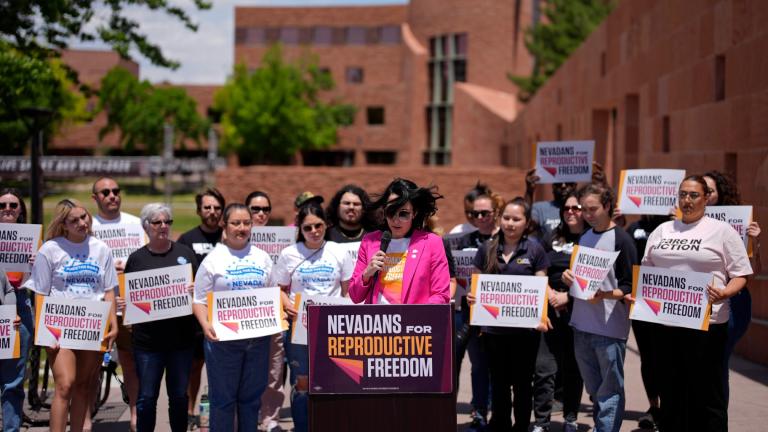
Voters in all seven states that have had abortion questions before voters since 2022 — California, Kansas, Kentucky, Michigan, Montana, Ohio and Vermont — have sided with abortion rights supporters.
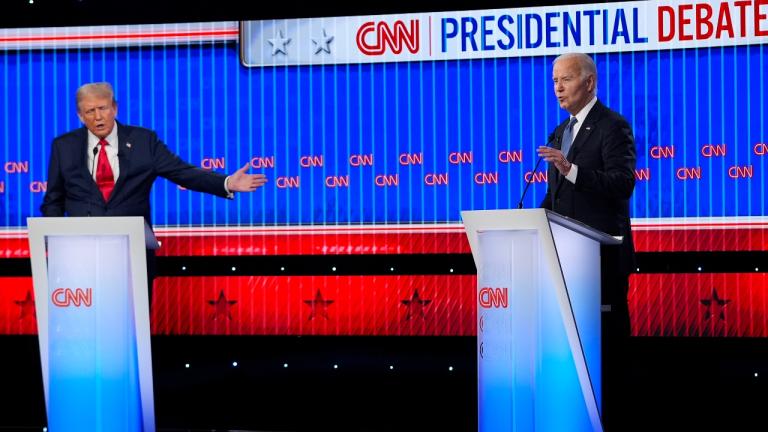
A raspy and sometimes halting President Joe Biden tried repeatedly to confront Donald Trump in their first debate ahead of the November election.

President Joe Biden and his predecessor, Donald Trump, are set to make history on CNN Thursday night as they meet for their first 2024 debate. It’ll be the first time a president and former president have ever debated.
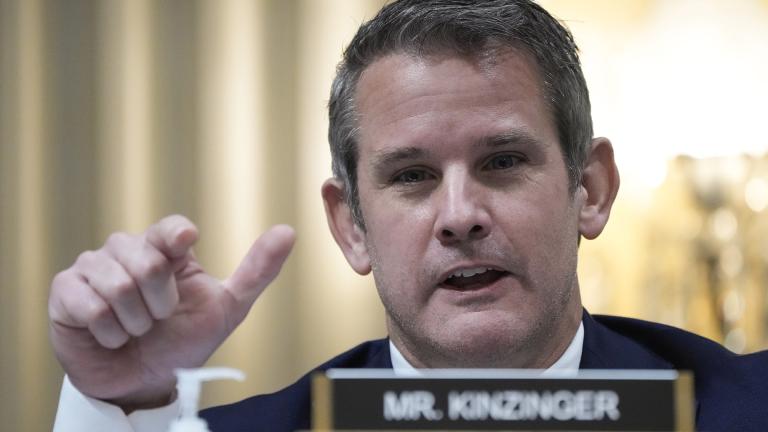
Kinzinger, a military pilot who emerged as a fierce critic of former President Donald Trump after the U.S. Capitol was attacked by Trump’s supporters, described Trump as “a direct threat to every fundamental American value” in a video announcing the Biden endorsement.
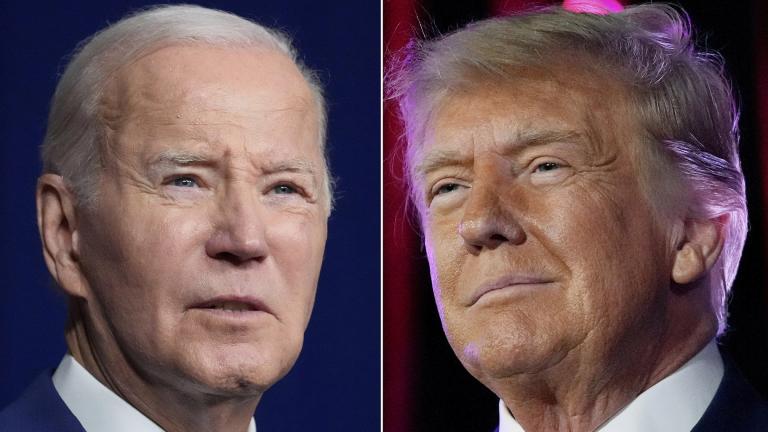
The CNN debate will be full of firsts, with the potential to reshape the presidential race. Never before in the modern era have two presumptive nominees met on the debate stage so early in the general election season. Never before have two White House contenders faced off at such advanced ages, with widespread questions about their readiness.

The plan calls for two perimeters that extend for blocks around the arena. Vehicles will have to pass through checkpoints to travel between the two boundaries. Pedestrians will be allowed to move freely without being screened in that area but only convention goers will be allowed within the inner perimeter.
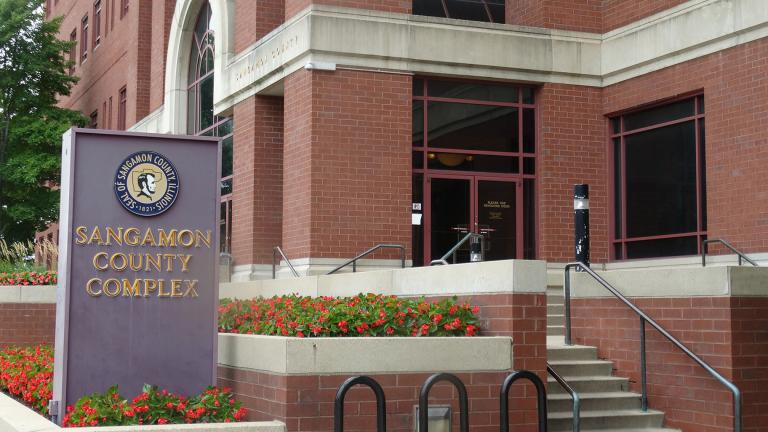
A Sangamon County judge blocked the Illinois State Board of Elections from enforcing a new law that would have prevented certain General Assembly candidates who didn’t run in the March primary from getting on the November ballot. The move doesn’t void the bill in its entirety, but rather blocks it only for this year’s general election for the 14 named plaintiffs in the case.
Democrats who control the General Assembly pushed the measure through the legislative process and Gov. J.B. Pritzker signed it into law in a matter of days last month, arguing that slating is unfair to voters who didn’t get a say in a primary contest.
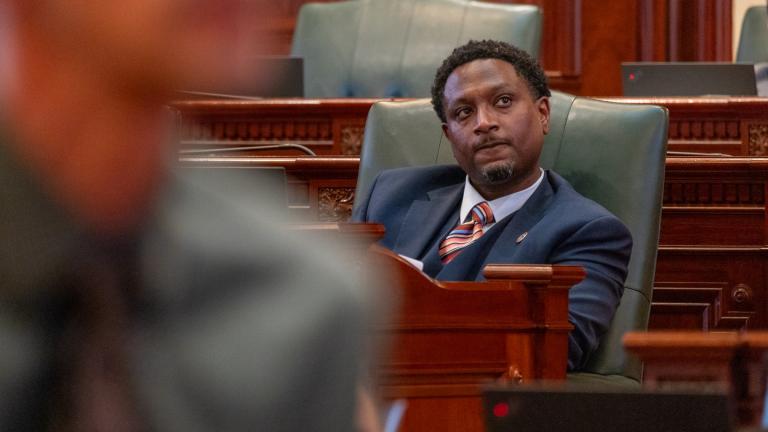
The measure is part of a broad package of election-related legislation which also includes a provision loosening restrictions on what political parties can do with campaign funds and a state-level response to a controversy in the south suburbs.
Trending
2026 Chicago Festival Guide

CPD Officer Who Fired 3 Shots at Suspected Carjacker on 606 Trail Faces Firing: Records

Interim NITA Director Earning $350K Salary While Also Collecting $213K Annual City Pension, Records Show

Firm Set to Buy Chicago’s Parking Meters Sells Airline That Carried Out Deportations

Chicago Woman Accused of Social Security Fraud After Hiding Mother’s Body in Freezer for 2 Years

Sign up for the WTTW News newsletter