Politics
Chicago City Council Puts Bally’s Officials on Hot Seat Amid Dispute Over Video Gambling
 (WTTW News)
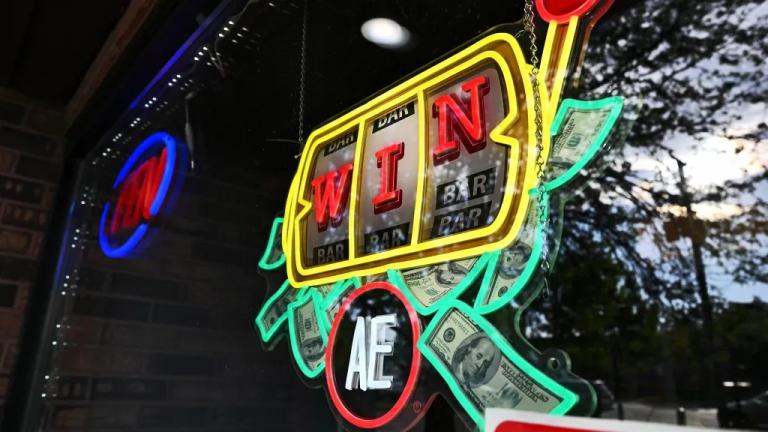
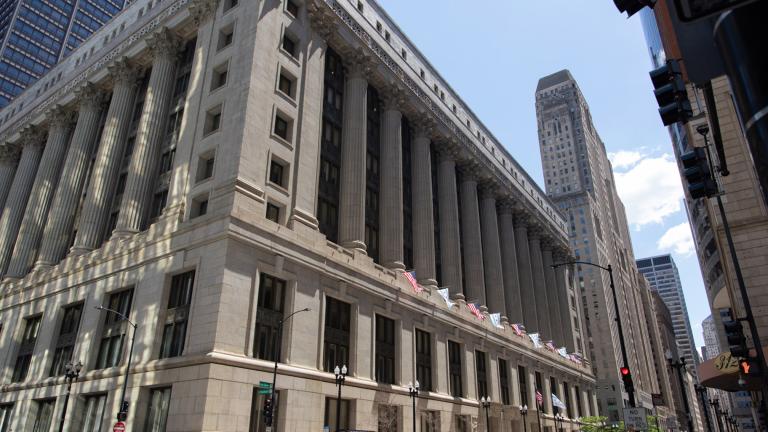
Members of the Chicago City Council, infuriated by the decision by Bally’s Corp. to halt construction on parts of the River West casino complex, pressed company officials for answers Wednesday amid a growing dispute over video gambling in Chicago.
But after more than three and a half hours of tense questioning, the conflict triggered by the City Council’s decision to green-light video gambling terminals in every Chicago bar and restaurant remained deadlocked.
That vote came over the objections of Mayor Brandon Johnson and after months of warnings from Bally’s that it would kneecap the city’s permanent casino, which officials had been counting on to send approximately $200 million into its police and fire pension funds, significantly easing the pressure on the city’s finances while creating thousands of jobs and drawing tourists — and their wallets.
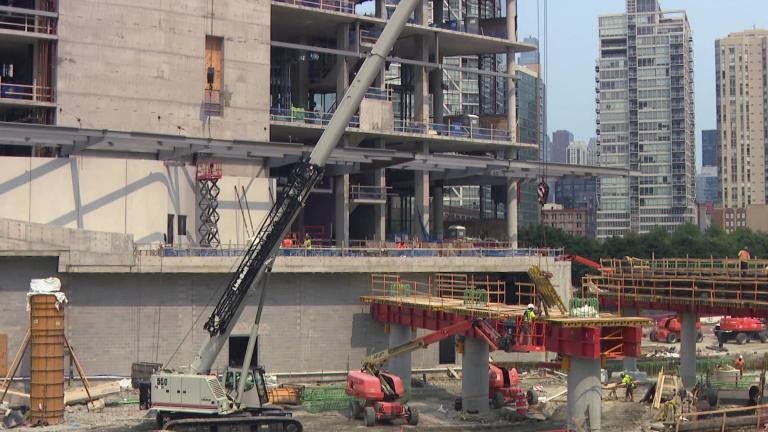
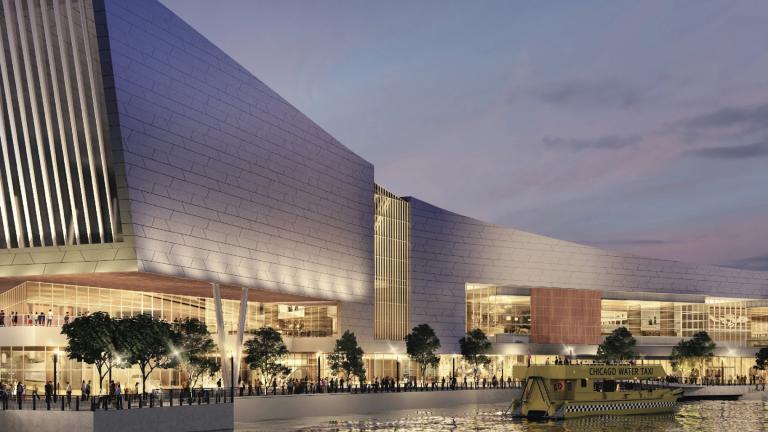
Christopher Jewett, Bally’s senior vice president, repeatedly defended the firm’s decision to halt construction on the 34-story, 500-room hotel, concert venue and restaurants designed to make the city’s only casino a destination for residents and visitors. The firm needs time to assess what the legalization of video gambling at thousands of bars and restaurants will mean for it’s bottom line.
Jewett also told members of the City Council’s License and Consumer Protection Committee that the firm had enough cash on hand to finish the construction on the casino complex, dismissing suggestions from alderpeople that officials had used the conflict over video gambling as a smokescreen to cover up the firm’s poor financial condition.
Bally’s laid off 12% of the 1,500 workers building the hotel, concert venue and restaurant, company officials told members of the City Council.
Jewett and other company officials told alderpeople that not only was the firm “deeply concerned” about the impact of the legalization of video gambling terminals in Chicago, officials are concerned the City Council will allow other types of gaming that could threaten the casino’s profitability.
Gambling has yet to become a jackpot for the city’s finances, records show.
Bally’s temporary casino rang up just $15.28 million in new gaming tax revenue for the city in 2025, down slightly from 2024, records show.
Bally’s was fourth in the Chicago area for casino revenue in 2025 with nearly $125 million in adjusted gross revenue, the amount of money received by the casino operator, minus the winnings paid to those who tried their luck and won.
That is much less than the more than $253 million city officials had originally projected the temporary casino would generate, records show.
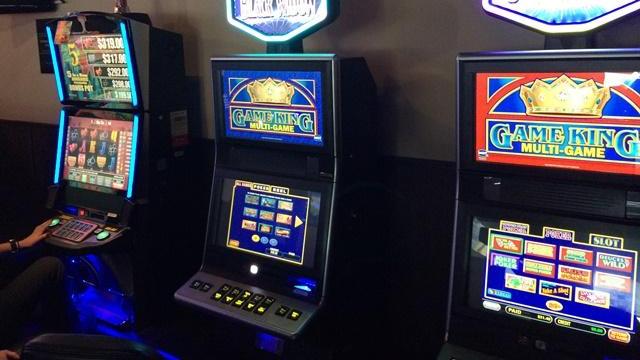
Supporters of allowing Chicago bars and restaurants to offer video gambling contend it will boost the city’s sagging tax revenues and toss a lifeline to businesses struggling in a tough economic climate. Several alderpeople urged Bally’s to reverse course and restart construction on the casino complex.
In turn, Jewett and other Bally’s officials urged the City Council to reimpose the ban on video gambling in Chicago outside the casino, a decision Bally’s officials contend breaches the city’s agreement with the firm.
However, several alderpeople said Bally’s had violated its agreement with the city by stopping construction on the entire complex, a charge that firm officials denied, noting that the casino is scheduled to open as planned.
Critics of Johnson blasted his senior aide Jason Lee for failing to appear as requested before the committee for the hearing and bristled at other city officials’ reluctance to answer questions in public about the dispute that appears headed for court.
“This is wholly inappropriate and totally nontransparent,” Ald. Brendan Reilly (42nd Ward) said.
Ald. Marty Quinn (13th Ward) said the much-anticipated hearing had turned into an “absolute circus.”
Both Reilly and Quinn are frequent critics of the mayor.
Ald. William Hall (4th Ward), an ally of the mayor, directed his ire toward Bally’s for laying off workers who had nothing to do with the political fight over video gambling.
“People have become pawns,” Hall said.
All 50 members of the City Council and the mayor face reelection in February, and many will rely on the financial support of labor organizations who could see hundreds of their members thrown out of work if the stalemate is not resolved.
A study by a city consultant warned alderpeople that the decision to legalize video gambling could cost nearly 400 jobs at the casino.
In addition, members of Johnson’s administration warned the City Council before it voted to approve video gambling across the city that the move would prompt Bally’s to stop paying the city $4 million annually, as called for in the agreement it reached with Chicago officials in 2022 for the city’s first, and only, casino license.
The city’s 2026 budget relies on $6.8 million in revenue from video gambling. None of that revenue has materialized, more than eight months into the year.
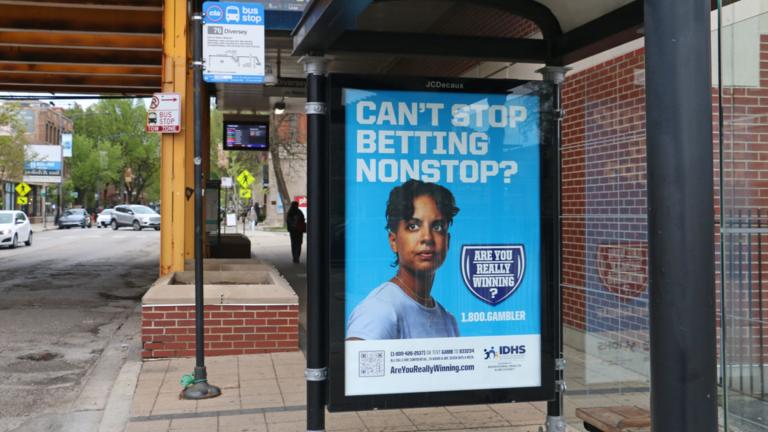
Johnson and his allies have also warned that allowing video poker and slots in bars and restaurants will reduce the quality of life in Chicago’s neighborhoods by increasing the number of Chicagoans suffering from gambling addictions while leading to a spike in burglaries and robberies.
While state officials have approved 63 video gambling licenses, none of those terminals have been plugged in. Twenty-three bars and restaurants have applied for city licenses to operate, Chicago officials said.
Officials with the Johnson administration established “a police review process to identify and address potential safety concerns in the immediate vicinity of proposed (video gambling terminal) locations, similar to the police review conducted as part of the liquor licensing process,” a spokesperson for Johnson said in a statement.
Thirteen applications are ready to be reviewed by Chicago police and “are moving through the approval process appropriately while the city balances the need to maintain community safety and ensure appropriate oversight,” according to the mayor’s spokesperson.
Burglaries of businesses with video gambling machines have soared in the Chicago suburbs, according to records obtained by the Chicago Sun-Times.
An additional 285 bars and restaurants have applied for state licenses to offer video gambling in Chicago, records show.
Contact Heather Cherone: @HeatherCherone | (773) 569-1863 | [email protected]