Arts & Entertainment
South Side Residents Voice Gentrification Concerns Ahead of Obama Presidential Center Opening
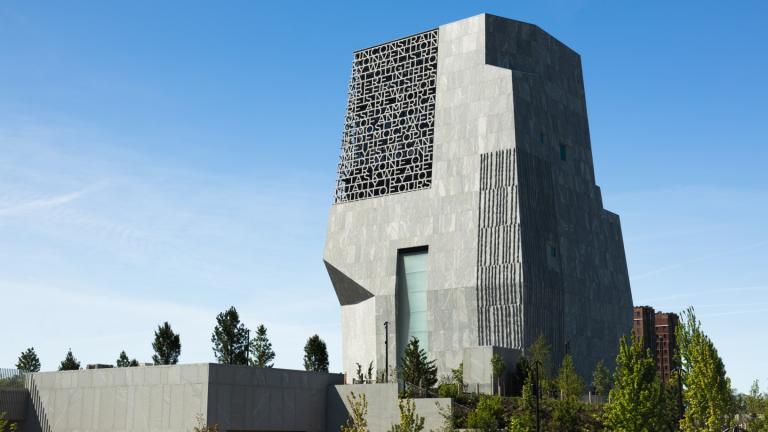
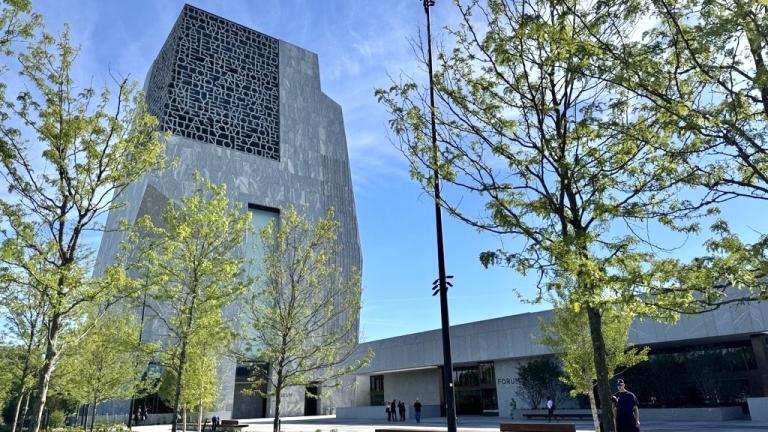
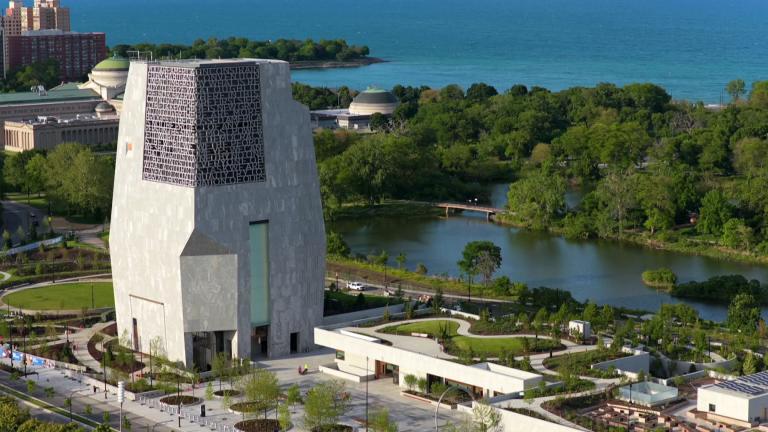
As the Obama Presidential Center prepares to open in Jackson Park this week, local activists continue to voice concerns about the potential displacement of longtime residents. Despite years of organizing and city ordinances being put in place, rising housing costs and investor activity continue to threaten gentrification in neighborhoods surrounding the center.
“We need to make sure something is in writing,” said Shannon Bennett, executive director of the Kenwood Oakland Community Organization, who recalled early conversations with the Obama Foundation following the center’s announcement.
Bennett, along with other community members, pushed for a community benefits agreement (CBA) around the project that would give locals a say in what would happen to the once-free public space, but the request was ultimately denied.
Property values and rents have climbed in neighborhoods surrounding the center. According to data from the DePaul Institute for Housing Studies, of the 141 single-family homes sold in South Shore in 2023, nearly 40%, or 56 homes, were purchased by business buyers.
“That’s what we have to guard against — land banking,” Bennett said. “It’s the same thing that always happens to our community. If we’re not in the room, we’re on the menu and that’s a problem.”
Despite not securing a CBA, organizers have had several policy victories such as the 2020 Woodlawn Housing Preservation Ordinance and the 2025 Jackson Park Housing Pilot Ordinance. Most recently, the Chicago City Council approved the Jackson Park Housing Pilot Ordinance, which reserves city-owned lots for affordable housing, creates a property tax debt relief pilot program and expands tenant protections.
“We’ve got 84 city-owned vacant lots that have been set up for affordable housing development, both ownership and rental,” said Dixon Romeo, executive director of Southside Together. “But we need more of those developments to happen.”
Romeo emphasized that most neighbors are not against the center’s existence or against former President Barack Obama, but rather are in opposition to a changing community that doesn’t include them or their input.
“How do we make sure it doesn’t replicate what the Clinton Presidential Library did in New York where it gentrified a Black neighborhood?” Romeo said. “How do all the folks that (voted in) the first Black president get to stay and benefit from the center?”
Kiara Hardin, a member of the Community Benefits Agreement Coalition, said housing affordability remains one of the biggest challenges facing current residents.
“A lot of people are experiencing the higher cost of property taxes, which means rent is going to be also increasing,” Hardin said.
Hardin credited city officials for supporting anti-displacement measures but said additional policies are needed, including a rental registry and stronger protections for tenants.
“When I purchased my house, it was a very reasonable price, and now literally a block away from me, you have a house that’s, like, $800,000,” Hardin said. “Who is that house for? It’s not for the people that live there currently.”
The next Community Benefits Agreement Summit is slated for June 27. Residents from neighborhoods surrounding the Obama Presidential Center will discuss future priorities and strategies for preserving affordability.