Business
Consumer Advocates Link Data Centers to Higher Electric Bills. Here’s What to Know
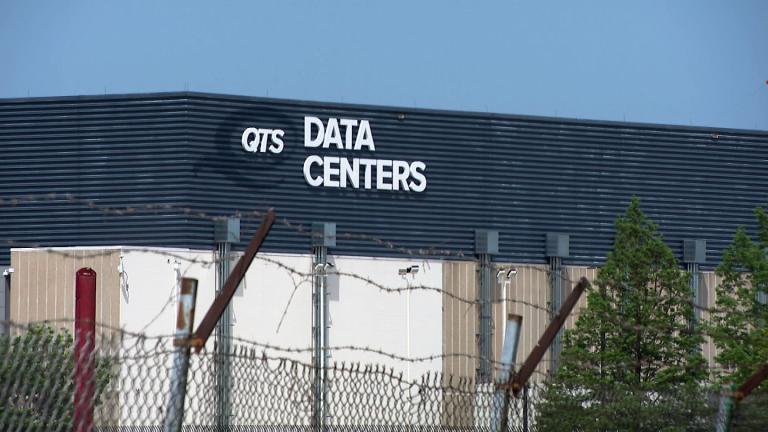
The Citizens Utility Board, a consumer advocacy group, is sounding the alarm on data centers’ growing demand on the electrical grid, saying Illinois consumers can expect higher electric bills.
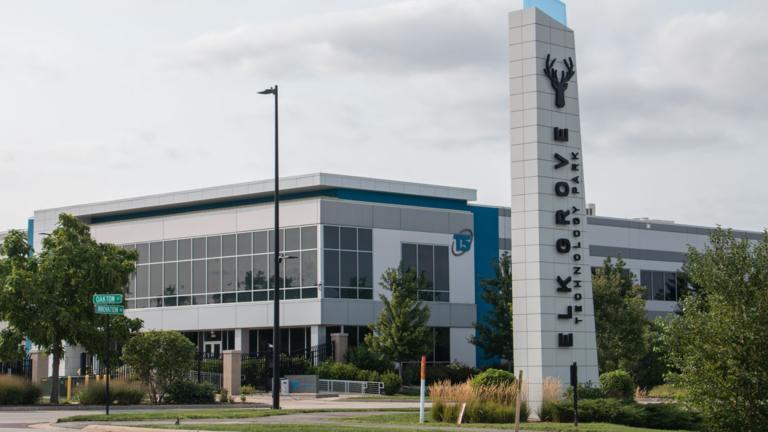
There are more than 4,000 data centers across the U.S., with another 3,000 planned or under construction, according to Axios.
In Aurora, some residents have already seen increased electric bills. In September, the city passed a 180-day moratorium on data center development amid concerns around environmental impact.
To help mitigate cost increases, ComEd recently signed transmission security agreements with several large-scale data centers.
And last week, Gov. JB Pritzker signed the Clean and Reliable Grid Affordability Act aimed at bolstering Illinois’ power grids. The goal is to improve energy delivery, storage and production.
What are data centers?
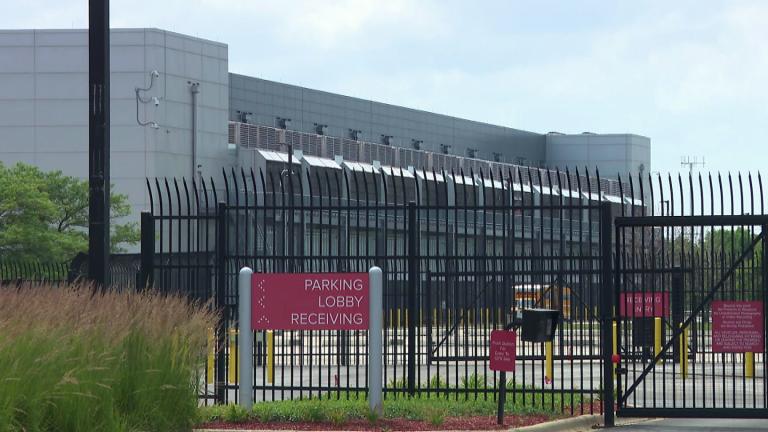
Simply put, data centers are large facilities that house servers dedicated to a wide array of services. A vast majority of data centers are used for storage and cloud computing.
Recent conversations have focused on the growing infrastructure needed for artificial intelligence.
While data centers are necessary for AI computing, Brad Tietz, director of state policy for the Data Center Coalition, said AI accounts for roughly 25% of data centers’ workloads.
There are three main types of data centers, according to Tietz.
Hyperscalers are centers owned and operated by one company for its own internal use and computing needs. These data centers — used by companies like Microsoft or Meta — are responsible for the largest energy demand from the electrical grid due to their sheer scale. Some hyperscalers require as much energy as a small city.
Next up are multi-tenant data centers, or single data centers that rent out their servers. These centers may house anywhere from two to 200 tenants.
Lastly, Tietz said, are edge data centers. These are smaller centers typically found in urban areas. There are several in the South Loop and other parts of Chicago; they often run servers for faster computing for hospital networks, trading companies and banks.
Why are people concerned?
There are concerns across the U.S. around the environmental impact of data centers since they require a significant amount of energy.
According to a report from Rhodium Group, a research provider, the increase in carbon emissions in the U.S. in 2025 is in part due to the demand placed on the electrical grid by large-scale data centers.
Additionally, the Citizens Utility Board found there has been a link between data centers and rising electric bills.
Sarah Moskowitz, executive director of the Citizens Utility Board, said “phantom data centers” are one of the reasons behind price increases.
Phantom data centers are projects that are proposed but never materialize. Developers will apply for a certain amount of energy from a company like ComEd that the new data center is expected to need. But when the center isn’t built, ComEd has now ordered too much energy with no one to use it. That cost can then be passed on to consumers, Moskowitz said.
Existing data centers can also drive up consumers’ energy bills because when a center uses less energy than it ordered, the cost is typically spread to consumers.
Why did Aurora create a moratorium on data center development?
Alison Lindburg, director of sustainability for the city of Aurora, said she received complaints from residents about noise, vibrations and traffic around data centers, along with concerns around water usage for cooling systems. Some residents also voiced concerns about air pollution caused by back-up diesel generators.
A number of Aurora residents reported higher utility bills — a driving factor for the temporary moratorium placed on data center development.
City officials hope to develop new zoning laws specifically designed to address concerns around data centers. Lindburg said she hopes to find ways for the centers to be “good neighbors.”
What is Illinois’ Clean and Reliable Grid Affordability Act, or CRGA?
The wide-ranging energy reform package signed into law by Pritzker last week is designed to mitigate energy price increases over the next decade.
The act will restructure and divert funds into energy storage to help ease the strain placed on the electrical grid while also reducing the amount needed to order from regional suppliers.
The act will fund battery storage, grant greater authority to state utility regulators, create new options for “virtual power plants” and lift a longtime ban on new large-scale nuclear power plants.
What are ComEd’s transmission security agreements?
ComEd last week signed transmission security agreements with eight hyperscaler data centers. The agreement requires “large load customers” to pay upfront fees for their expected energy demand.
The customers, who together are expected to have a load greater than 6.5 gigawatts, have signed agreements that will “prevent existing ComEd customers from bearing responsibility for more than $2 billion in transmission chargers over a 10-year period,” according to a news release from ComEd.
In a post on X, ComEd President and CEO Gil Quinones applauded Pritzker for signing the Clean and Reliable Grid Affordability Act, but said, “with demand for power surging and supply challenges ahead, there’s more work to do to keep Illinois on the path to a cleaner, reliable, and affordable energy future. We will continue to partner with the state and all stakeholders to advocate for solutions that will address the surging demand and supply challenges while keeping customer reliability and affordability at the forefront.”