Politics
Organizers Push for Ballot Referendum on South Chicago Quantum Computing Campus
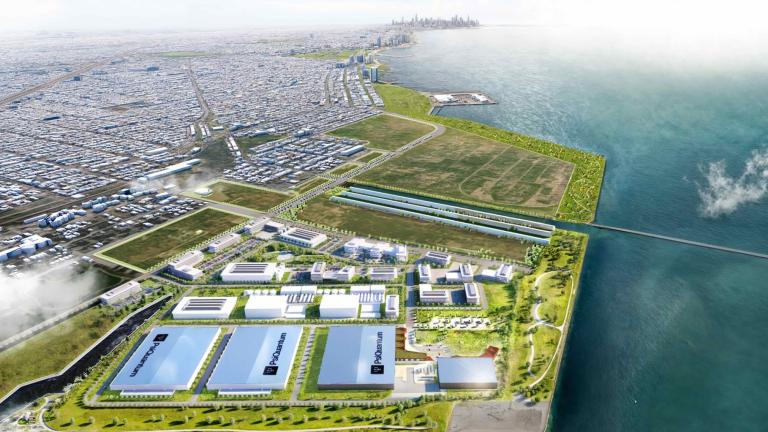
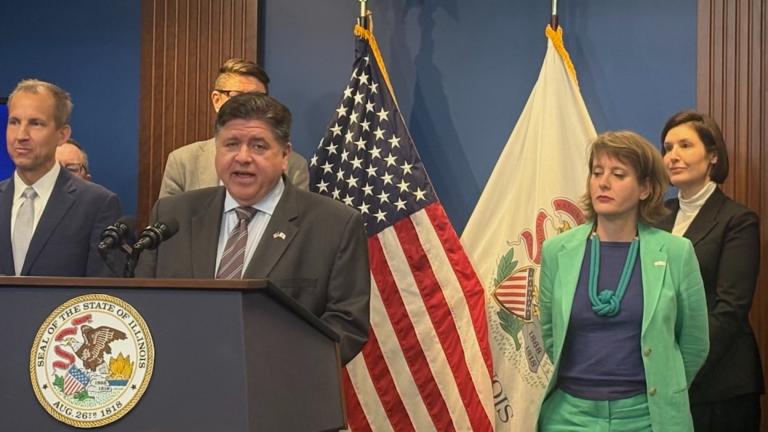
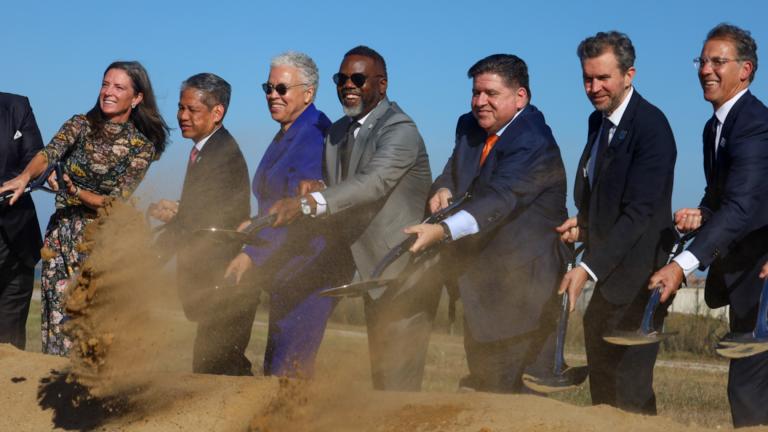
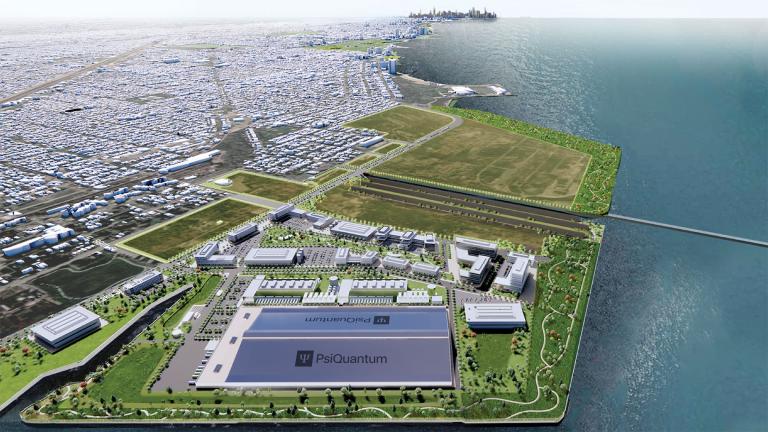
In September, ground was broken on the Illinois Quantum and Microelectronics Park, a $1 billion project on Chicago’s Southeast Side set to become the largest quantum development in the United States.
The project, backed by a $500 million investment from the state of Illinois, would extend to surrounding infrastructure and include a health care center and multiple apartment buildings.
Some Southeast Side residents have voiced concerns over gentrification, the project’s environmental impact and energy use.
Now, backed by 300 signatures, organizers with Southside Together hope to add a nonbinding referendum on the quantum campus to March 2026 ballots.
What is the Illinois Quantum and Microelectronics Park?
The 440-acre technology and innovation district is set to rise up on the long-abandoned site of the former U.S. Steel South Works in the South Chicago neighborhood. The campus will include space and infrastructure for companies and universities alike.
California-based PsiQuantum will be the anchor tenant, with plans to build “America’s first utility-scale quantum computer,” according to Jeremy O’Brien, cofounder and CEO of PsiQuantum. The park will begin with an 80,700-square-foot office and research building for PsiQuantum, along with Cryoplant A, which will support its advanced technology needs.
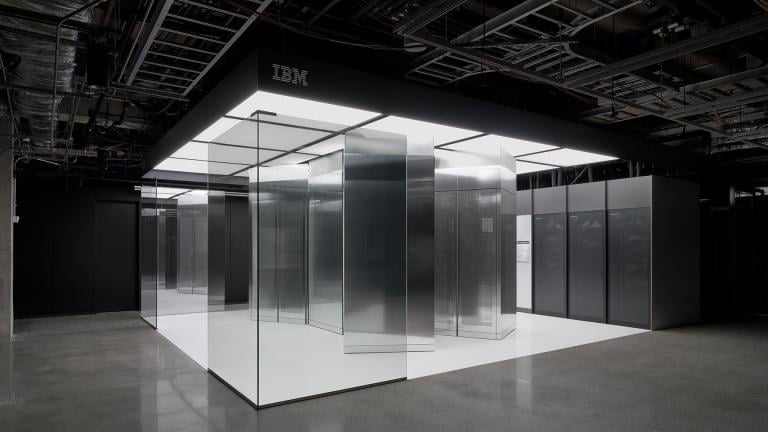
IBM has also committed to the site, which officials are likening to a “quantum ecosystem” — a hub for innovation and advancement. The site will be home to IBM’s National Quantum Algorithm Center, and the University of Illinois plans to build two new buildings to host quantum computing research and community space.
Developer Related Midwest said the campus will include a six-story mid-rise building with 43 units of affordable housing; Sacred Apartments, a new five-story elevator building of 81 units; Galleria 89, a multifamily building with 57 units; a $300 million 52-bed hospital from Advocate Health Care; and public park space.
What supporters are saying:
Jorge Perez, a long-time South Chicago resident and owner of the bakery Chico’s Oven, is excited about the investment. He said it’s a way to combat more residents leaving the area as he’s seen neighbors move to northwest Indiana.
Perez hopes the quantum campus will create more foot traffic, which is ultimately good for his business.
“We’re just really excited that we can actually get potentially more people into the neighborhood, and be able to, you know, grow a business,” Perez said.
Seeking community input:
Jerry Whirley, a coordinator with Southside Together, is one of the organizers pushing for a ballot referendum. He said he is concerned about gentrification and neighbors having their voices heard.
Whirley lives in the South Shore neighborhood, which runs adjacent to South Chicago. He said neighbors haven’t had enough agency in shaping the vision for the quantum campus. Additionally, Whirley worries that jobs at the campus won’t be for residents of South Chicago and neighboring communities.
“The concern is not that we are against innovation,” Whirley said. “We are not against industry. We’re against our neighborhoods being overburdened by companies coming in and wanting to test out things in our neighborhood instead of just actively coming to ask what we would like to have there.”
In a statement, developer Related Midwest said it engaged in “a comprehensive and collaborative process that included over 50 public meetings and events attended by more than 15,000 residents.”
The developer further said it looks forward to “creating thousands of jobs, investing in local schools to bring STEM programs to youth, transforming once vacant land into new housing and expanding and preserving 100 acres of parkland as part of Illinois Quantum & Microelectronics Park and the broader Quantum Shore master plan.”
A community benefits agreement:
Some community groups support the development but are trying to mitigate displacement with a written agreement. Friends of the Park, ETHOS and Alliance of the Southeast have partnered to organize a community benefits agreement, or CBA, for the development of the quantum campus.
The coalition represents community members, residents and local businesses. It asks that 25% of full-time employees hired in the first three years are residents who come from a list of ZIP codes within the surrounding area.
Organizers also had concerns about whether the quantum campus land was safe since heavy metals were found in the soil in a report from the 1990s.
Related Midwest and Clayco received approval from the Illinois Environmental Protection Agency to move forward with construction. Amid concerns about the project’s environmental impact on surrounding communities, Related Midwest voluntarily enrolled in the state’s site-remediation program.
Organizers are encouraging funding for the lakefront to ensure long-term protection, access and connectivity of public lakefront spaces. They also want the land to be fully remediated with ongoing environmental monitoring.
Moises Moreno, organizing director for the Alliance of the Southeast, believes the heart of the community benefits agreement is bridging the gap between the residents’ concerns and the development of the site.
“We brought it down to messaging, right?” Moreno said. “So don’t poison us and don’t displace us.”
Though no formal community benefits agreement has been signed, Related Midwest provided a list of investments it will make in the community with surrounding infrastructure.
An investment for Chicago:
Samir Mayekar, managing director of the Polsky Center for Entrepreneurship and Innovation at the University of Chicago, said more steps should be taken to address the concerns and needs of residents while also prioritizing the development of the quantum campus.
“Having worked on the Obama Presidential Center when I was in City Hall, certainly you’re going to have a back-and-forth about the nature of community commitments and benefits,” Mayekar said. “You know that is a dialogue that everyone should have. … From my perspective, what’s important here is not losing sight of the fact that the quantum economy can happen in Chicago or it can happen in Dallas, or it can happen in London, … and it’s incumbent on all of us to make sure that we don’t miss a wave of investment, because it’s going to happen regardless of what we do.”
Mayekar added, “This is our chance to kind of go back to our industrial roots and make sure that we’re creating jobs and we’re not losing population.”
Capitol News Illinois and Patty Wetli contributed to this report.