Health
Illinois Health Leaders Continue Backing Hepatitis B Vaccine Requirement Despite Changes in Federal Guidance
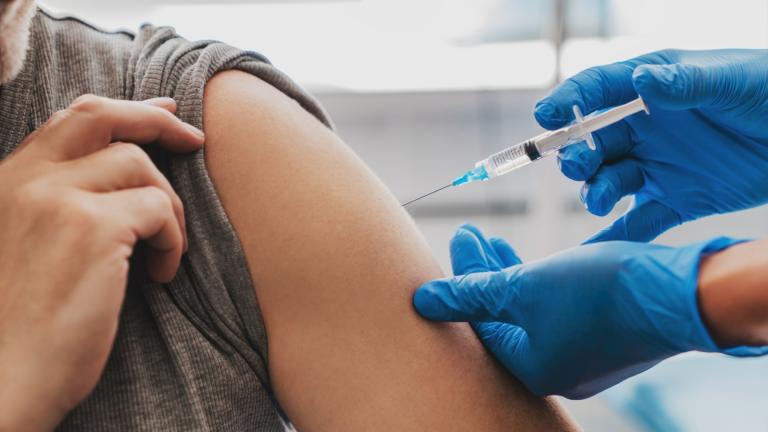
 (Inside Creative House / iStock)
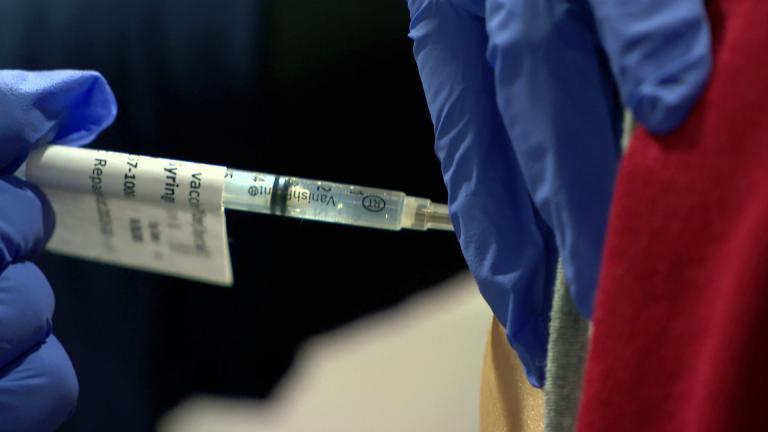
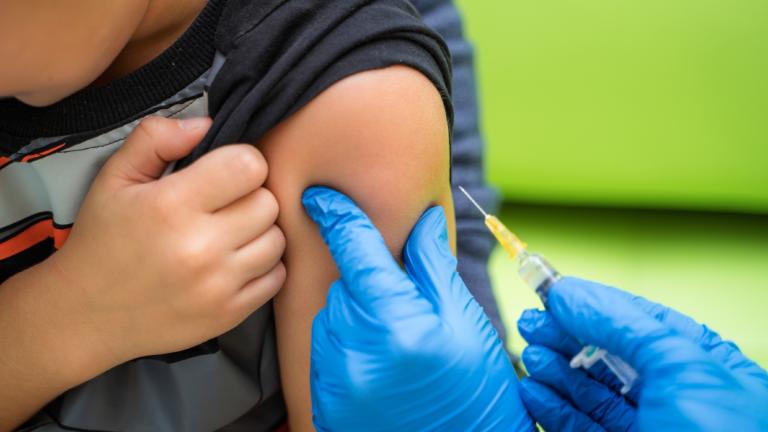
Illinois health officials are maintaining their stance that all newborns should receive a hepatitis B vaccination, days after federal vaccine advisors voted to remove a similar recommendation.
The Illinois Department of Public Health on Wednesday reaffirmed its own recommendation for a universal hepatitis B vaccination at birth.
“Parents deserve clear, trustworthy, and science-based information when making decisions about their child’s health,” IDPH Director Sameer Vohra said in a statement. “Despite recent federal changes, our recommendation for universal birth vaccination ensures every newborn in Illinois receives the strongest protection against this potentially deadly infection.”
That guidance remains in alignment with “decades of scientific consensus” and endorses recommendations from the Illinois Immunization Advisory Committee (IL-IAC), the IDPH said.
Since the practice of universal hepatitis B vaccination at birth began in 1991, infection in U.S. children dropped by 99 percent, the IDPH said.
But a federal vaccine advisory committee voted earlier this month to end the longstanding recommendation that all U.S. babies get the hepatitis B vaccine on the day they’re born.
A loud chorus of medical and public health leaders decried the actions of the panel — the Advisory Committee on Immunization Practices (ACIP) — whose current members were all appointed by U.S. Health Secretary Robert F. Kennedy Jr., a leading anti-vaccine activist before this year becoming the nation’s top health official.
Several medical societies and state health departments said they would continue to recommend them. While people may have to check their policies, the trade group AHIP, formerly known as America’s Health Insurance Plans, said its members still will cover the birth dose of the hepatitis B vaccine.
For decades, the government has advised that all babies be vaccinated against the liver infection right after birth. The shots are widely considered to be a public health success for preventing thousands of illnesses.
According to the IDPH, hepatitis B can be transmitted to infants at birth or through contact with another infected person. The department said It’s estimated that as many as half of Americans with hepatitis B do not know they’re infected.
Approximately 90% of infants infected at birth or in their first year of life will develop chronic hepatitis B infection, the IDPH said, and about 1 in 4 of those individuals will die from chronic liver disease.
“Overwhelmingly, the IAC considered the universal Hepatitis B vaccination strategy a public health success story for Illinois rather than the current ACIP framing as an urgent public health problem,” IL_IAC chair Marielle Fricchione said in a statement. “The committee determined that any changes to the current recommendation would do more harm than good; specifically it would not be acceptable to most stakeholders, it is not feasible, it would not be an efficient use of resources, and it would have a negative impact on health equity.”
The Associated Press contributed to this report.