Politics
Chicago Alderpeople Discuss Budget Stalemate, CFO’s Abrupt Resignation
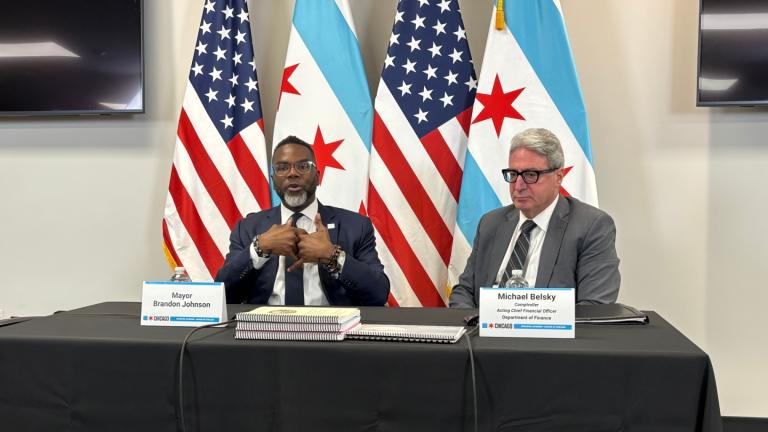
More than half of the Chicago City Council is at odds with Mayor Brandon Johnson over 2027’s budget.
Last month, Johnson introduced what he calls “Chicago’s Fair Share Budget.” The plan includes levying a per-employee tax on Chicago’s largest firms to help bridge the city’s $882 million budget gap, opening a new front in the ongoing battle over whether corporations should pay more to ease the city’s financial crunch.
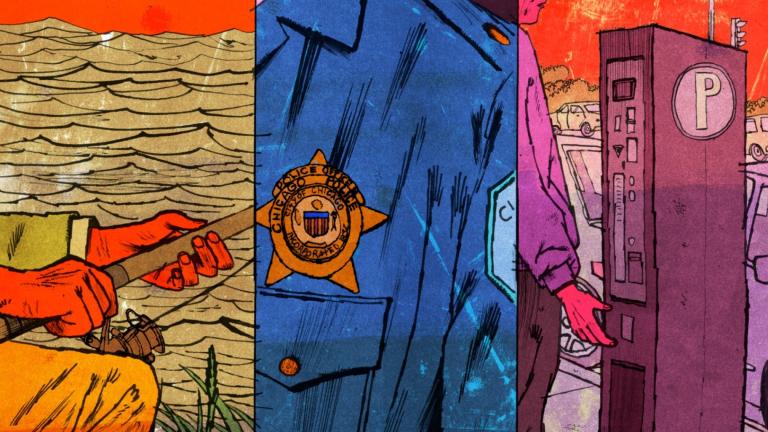
In addition, Johnson proposed borrowing $481 million to cover the soaring cost of lawsuits alleging Chicago police officers committed a wide range of misconduct — including wrongful convictions and improper pursuits.
In response, a coalition of 28 alderpeople penned a letter to the mayor asking him to revise his budget and consider alternative sources of revenue and expense reductions.
The same group of alderpeople, plus Ald. Ronnie Mosley (21st Ward), in September warned Johnson not to attempt to pass a budget that includes a corporate head tax.
“The budget is in our hands and if we, as a whole, believe that the head tax shouldn’t be there, then the people need to amend the budget,” Ald. Jason Ervin (28th Ward) said. “The challenge is that nobody wants to go on record of where they are. At the end of the day, no one wants to say, ‘We wanna chop things out of the budget, we wanna cut libraries, we wanna cut this, we wanna cut that, we wanna cut investments.’ No one wants to do that. And this is the point where we all have to sit down and say, ‘What are we going to do?’”
Johnson’s revival of the so-called head tax — which was soundly rejected by the City Council a year ago — would impose a $25 per month per employee tax on all firms that have more than 125 employees, according to the proposal.
That is projected to generate approximately $100 million — after exempting firms whose employees work in parts of the city designated by the federal government to be “socioeconomically disadvantaged areas,” which includes much of the city’s South and West sides.
On Election Day, 85% of Chicagoans voted “yes” to a corporate head tax. Despite this, alderpeople say the tax could drive businesses out of Chicago or force large corporations to lay off workers.
Ald. Bill Conway (34th Ward) said he believes another tax on large corporations could drive companies out of the city.
“If we are going to grow the size of the city, we need more housing and we need more jobs,” Conway said. “To disincentivize that behavior with a head tax I think doesn’t make any sense.”
Since Johnson’s proposed budget currently lacks the votes needed to pass City Council, leaders have questioned whose responsibility it is to propose an alternative budget or suggest amendments to Johnson’s.
In response to questions from reporters Tuesday afternoon, Johnson said he welcomes alternative revenue suggestions, but has largely not heard any sustainable solutions from City Council.
“I’m trying to protect working people,” Johnson said. “And so we need partners to do that. And if they disagree with a particular idea, is it unreasonable for someone to say, ‘Well, what is it that you wanna put forward?’ And you know why I know it’s not unreasonable? Because all of you have asked me that. All of you have asked me, ‘Well, Mayor, what’s your plan B?’ Are they not held to the same standards that the brother is held to?”
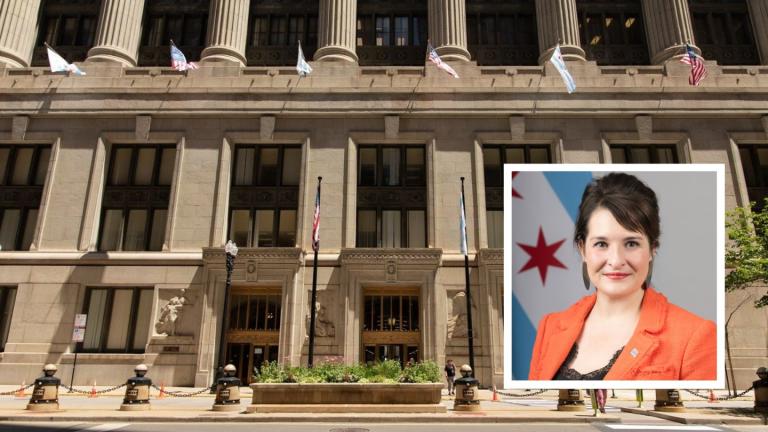
Johnson was also asked to respond to allegations that his office has taken part in shady financial activity, following the abrupt resignation of CFO Ashlee Gabrysch on Friday. Johnson chose not to comment on personnel issues, but said that he “wishes her well.”
Members of City Council are scheduled to vote on an ordinance calling for an independent investigation into Chicago’s finances Wednesday. The Office of the Inspector General would take a deep dive into the last three years of the city’s financial records.
“When your third CFO in a year resigns and implies that the mayor asked her to give false numbers and blows the whistle like that, that’s obviously something that I think we need to listen to,” Conway said.
Ervin, however, echoed Chicago Comptroller and acting CFO Michael Belsky’s sentiment that any speculation is “much ado about nothing,” referring to the situation as “a difference of opinion.”
The City Council must pass a budget for 2027 by the end of December. Officials cannot pass a short-term ordinance to keep City Hall functioning while negotiations continue, officials said. That means without a budget agreement, more than 30,000 workers will not be paid and city services will stop.
Heather Cherone contributed to this report.