Politics
Following Tuesday’s ‘Blue Tsunami,’ Republicans Look to Rebuild Party Power in Illinois
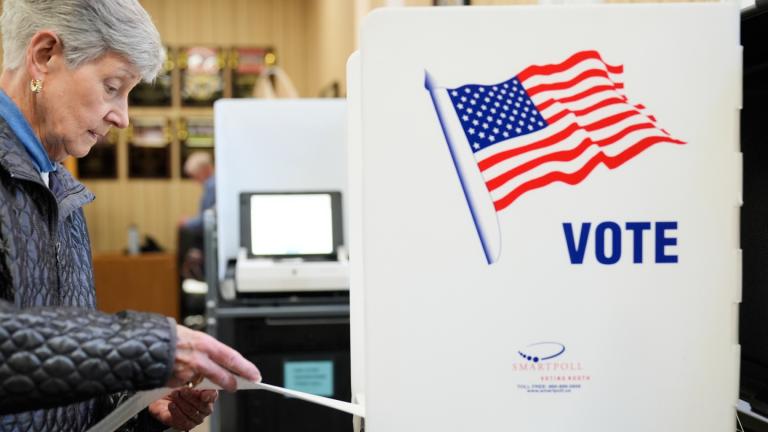
Last Tuesday’s midterm election saw massive shifts in the balance of power between parties in Illinois and beyond.
The U.S. House and Senate both flipped to Democratic majorities. Meanwhile, the party expanded its supermajority in the Illinois General Assembly and saw huge gains in suburban Cook and nearby counties.
After this “blue tsunami,” Republicans around the country are looking at what comes next.
And in Illinois, where the GOP has been shut out of statewide offices since 2019, party leaders are brainstorming how they can rebuild the candidate pipeline, replenish their war chest and hone their messaging.
“The voters spoke — I don’t think that they showed us that we were wrong on the issues, if you look at the referendums around the country,” said Bob Grogan, chair of the Illinois Republican Party. “So many of our issues won handily in referendums, it was our politicians, our candidates that lost.”
For Ray LaHood, a former U.S. representative (R-Illinois) and transportation secretary under President Barack Obama, the reasons behind the wave that swept Democrats into office aren’t complicated.
“It’s a bad year when the party in the White House has an off-year election,” LaHood said. “The Democratic Party recruited good candidates, their messaging was spot on, … and their message carried the day.”
Affordability and the Iran war were on many voters’ minds as they went to the polls last week.
Kathleen Murphy, a campaign strategist and communications director for Don Tracy’s U.S. Senate campaign, said messaging around these issues — combined with a lack of focus on others — contributed to the blowout.
“It wasn’t that Trump had no wins. There were things that would be very important to major parts of his voting base,” Murphy said, pointing to the reduced troop presence in Iraq, border security and the employment rate as some of these wins.
To rebuild the party locally, Murphy is looking toward the suburbs. While places like Kendall and Will counties saw shifts towards Democrats, she said there are still plenty of Republicans in office who should be elevated within the party.
“Whatever program we put in place to elevate candidates … should be multi-cycle,” Murphy said. “We need to be thinking longer-term.”
And while the Democratic Party messaging on affordability may have swayed voters in this election, many Republicans are eager to hold the other side accountable to that message.
“We have to hold the Democrats to their own book of rules,” said Richard Porter, a former White House advisor. “If they said they’re going to make life more affordable, we need to hold their feet to the fire and show the ways in which they are not making life more affordable in Illinois.”
“Moving forward, we have to make it very clear that Democrats are the party of the $500,000 self-cleaning toilet,” Porter said, in reference to a new city of Chicago initiative reported at the top of the broadcast.
Grogan is also looking for the opportunity to flip Democratic campaign messaging on its head.
“To our advantage, the Democrats are going to take this as a mandate to their policies. … They’re going to come up with every harebrained scheme, and they’re going to overreach, and we’re going to be there to point that out,” Grogan said.
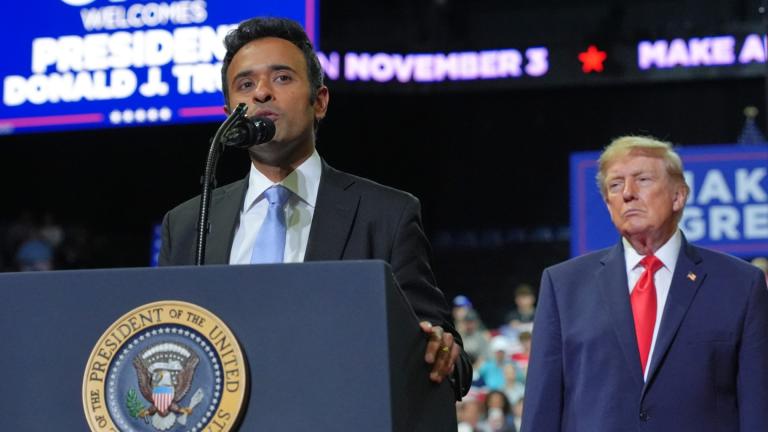
While it’s not clear what the new Congress will be able to accomplish under President Donald Trump — or vice versa, what Trump can accomplish with a Democratic majority in Congress — LaHood sees the opportunity for compromise on issues like immigration reform, energy prices and the federal deficit.
But he still sees an opening for Republicans in the next election.
“If they err — which I think they will — by just spending 18 months investigating everybody and their brother and sister, that will be a big, big opportunity for Republicans to tell the American people we’re ready to solve some of these problems that you’re concerned about,” LaHood said.