Arts & Entertainment
A Redefined Library and Embracing Digital Design at the Obama Presidential Center
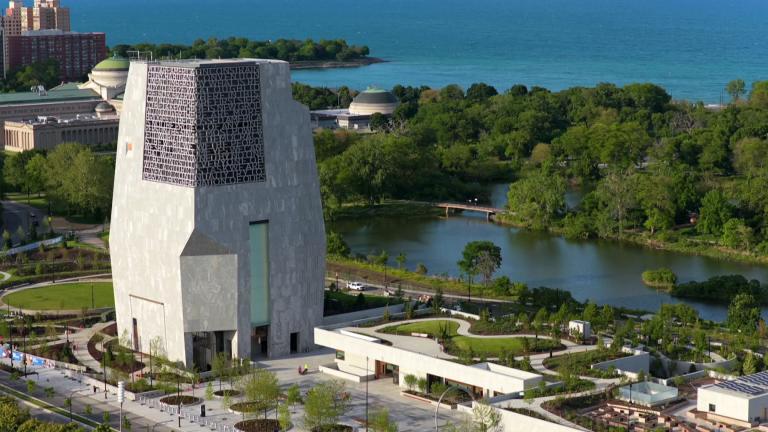
After nearly five years of construction, the Obama Presidential Center is now just two weeks away from its grand opening on Juneteenth weekend.
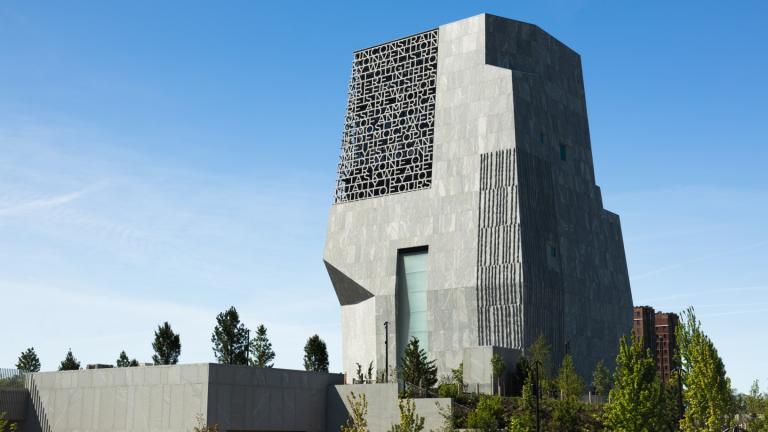
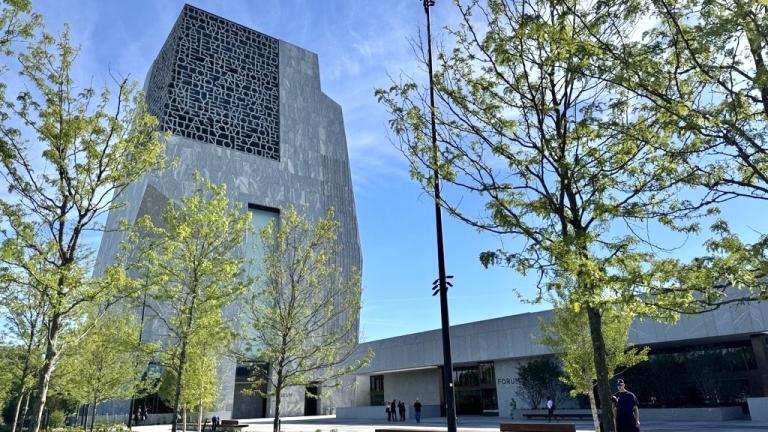
The campus, sprawling across historic Jackson Park, houses basketball courts, gardens, a branch of the Chicago Public Library and an eight-story museum. The multi-use space is in sharp contrast with traditional presidential libraries.
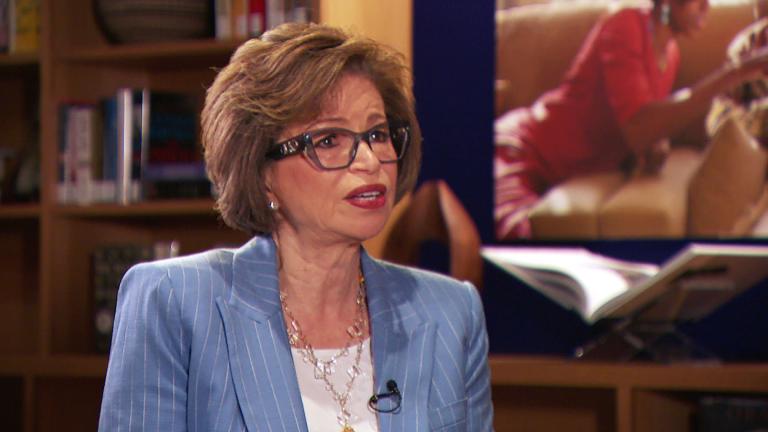
Chicago Public Library Commissioner Chris Brown and Cheryl Durst, executive vice president and CEO of the International Design Association, joined “Chicago Tonight” to give their reactions to the completed project.
On the Obama Presidential Center’s new Chicago Public Library branch:
The library system’s 82nd branch is the first ever public library to be part of a presidential center. It features the Presidential Reading Room, which holds 3,000 books chosen by the Obamas’ as well as a space to work and relax, and atop the library sits the Eleanor Roosevelt Garden.
They plan to host film screenings, open mic nights and story times in the reading garden.
President Barack Obama redefined the function of a presidential library, said Brown.
“It’s not just a collection of archives related to the administration,” Brown said. “A lot of it is space for the community. I think it’s incredible that when thinking about a library, they put a public library forward for this community, as opposed to just something for the administration.”
CPL helped design the library in partnership with the center, with one question in mind: what does the future of libraries look like?
“We need to see our leaders and our thought leaders and our civic leaders and our politicians and our presidents promoting reading, promoting culture, promoting our stories,” said Brown. “It means a great deal to have someone in the highest office say books are important, reading is important, and libraries are important.”
On the campus design:
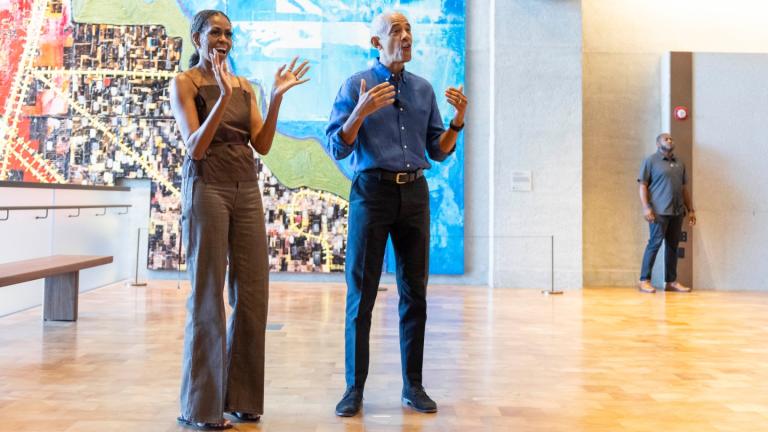
Aside from the library, there’s also a music studio, co-working spaces, a podcasting studio and more community resources — making it “immediately accessible to visitors and the community,” said Durst, who was selected as one of the 33 “Changemakers” by the Obama Presidential Center, honoring her work and excellence in design.
She’s featured in the inaugural Changemaker Catalog and the “Imagine Your Impact” interactive exhibit. On kiosks located on the fifth floor, the changemakers relay their personal stories about our professions and how they’re bringing change to the world.
“The building itself is really a testament to the service of the Obamas,” said Durst. “It’s an incredible art collection. It speaks to those who access the space. It’s not an altar. It is immediately accessible. It is a testament to great storytelling. It is a testament to words, how we use words, the power of words, the power of art and the power of place.”
Obama is widely recognized as the first “digital” president because of how his administration pioneered the use of social media platforms to engage with the American public.
Fittingly, the National Archives and Records Administration is “working to make the presidential archives available digitally and at the future Obama Presidential Center,” reads the Obama Foundation website.
“The use of audio and video — it’s history seen through the lens of technology. So really leveraging technology to tell their story but also tell the story of community activism as well,” said Durst.