Crime & Law
Archdiocese of Chicago Suing Group It Says Made False Claims of Sexual Abuse for Financial Settlements
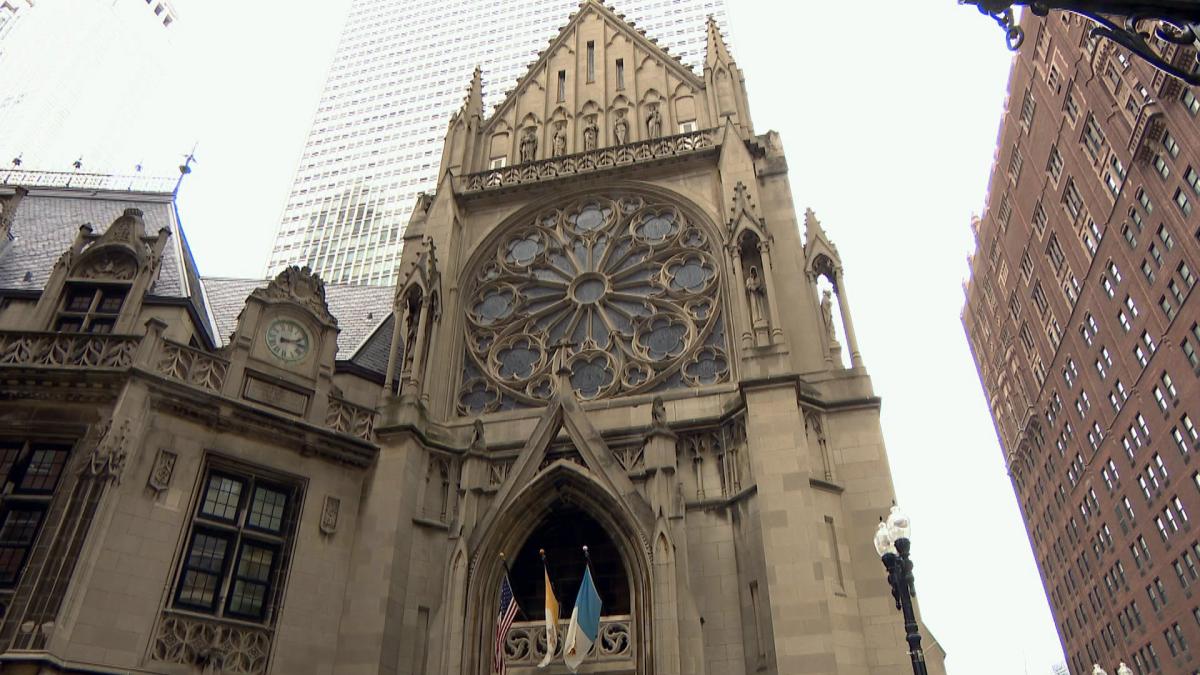 The Archbishop Quigley Center in Chicago. (WTTW News)
The Archdiocese of Chicago is suing several individuals — including people who are relatives, friends and reputed gang members — whom it claims made false claims of sexual abuse by a defrocked priest in an effort to force a financial settlement.
In a filing made Monday in Cook County’s circuit court, the archdiocese in a couterclaim accused the unnamed defendants of a “quid pro quo” scheme in which they allegedly peddled false claims of abuse in order to extort money from the church.
“We trust and believe people when they come forward with abuse claims. These individuals have violated that trust and have attempted to take advantage of it,” James Geoly, the archdiocese’s general counsel, said in a statement. “We have a duty to oppose claims we know are false to protect and stand up for real survivors of abuse who ultimately are the ones harmed by fraud.”
According to the lawsuit, the defendants include a convicted drug dealer, a convicted murderer, two brothers who are reputed gang members as well as other friends and family members.
In one instance included in the complaint, one of the defendants allegedly falsely claimed to have been a member of a basketball team coached by Daniel McCormack — a former priest in the archdiocese and convicted sexual abuser who has been referred to as “one of the most infamous child abusers anywhere in Illinois.”
The archdiocese has received more than 100 claims of child sex abuse against McCormack and has paid millions to survivors to settle those legitimate claims, according to the Illinois Attorney General’s Office. McCormack pleaded guilty to several charges in 2007 and was sentenced to five years in prison.
One defendant, referred to in the complaint as Doe 107, had previously received a settlement from the archdiocese and later recruited his cousin — Doe 106 — to file another claim of abuse.
“I got to get on the money train, man,” Doe 106, who was incarcerated in state prison, told his cousin in a 2013 phone call, according to the complaint.
The following year, the cousin allegedly told Doe 106 “I think I want to put you on these cases now,” indicating he would help him bring his claim following Doe 106’s release from prison.
“Hell yeah, I need some ass free money, too,” Doe 106 allegedly responded.
Another defendant, referred to as John Doe 108, allegedly stated in a separate prison recording that it would be “easy” to bring a claim against the archdiocese, adding: “Everybody from out the ’hood can get that s--t. Everybody.”
The lawsuit claims that, once paid, the defendants used their financial settlements to buy luxury cars and clothing, host parties and take trips to Miami and Las Vegas.
According to the archdiocese, the defendants advised each other on what to say, how to embellish injuries and how to reach attorneys as part of their allegedly false claims. The archdiocese also said the circuit court has already ruled that two other cases were fraudulent, and several others have been abandoned by the claimants and their lawyers.
“While we cannot erase the past, including the misconduct of priests who committed real harms, we can try to ease the pain and suffering of survivors through accountability and support,” Geoly said. “False claims make it necessary to investigate all claims more aggressively, which places a greater burden on true survivors. Our attention is directed toward survivors, not fraudsters seeking to gain financially from others’ pain and suffering.”