Health
New EPA Rule Sets 10-Year Deadline for Lead Line Replacement, With Exceptions. Chicago Granted 20 Years
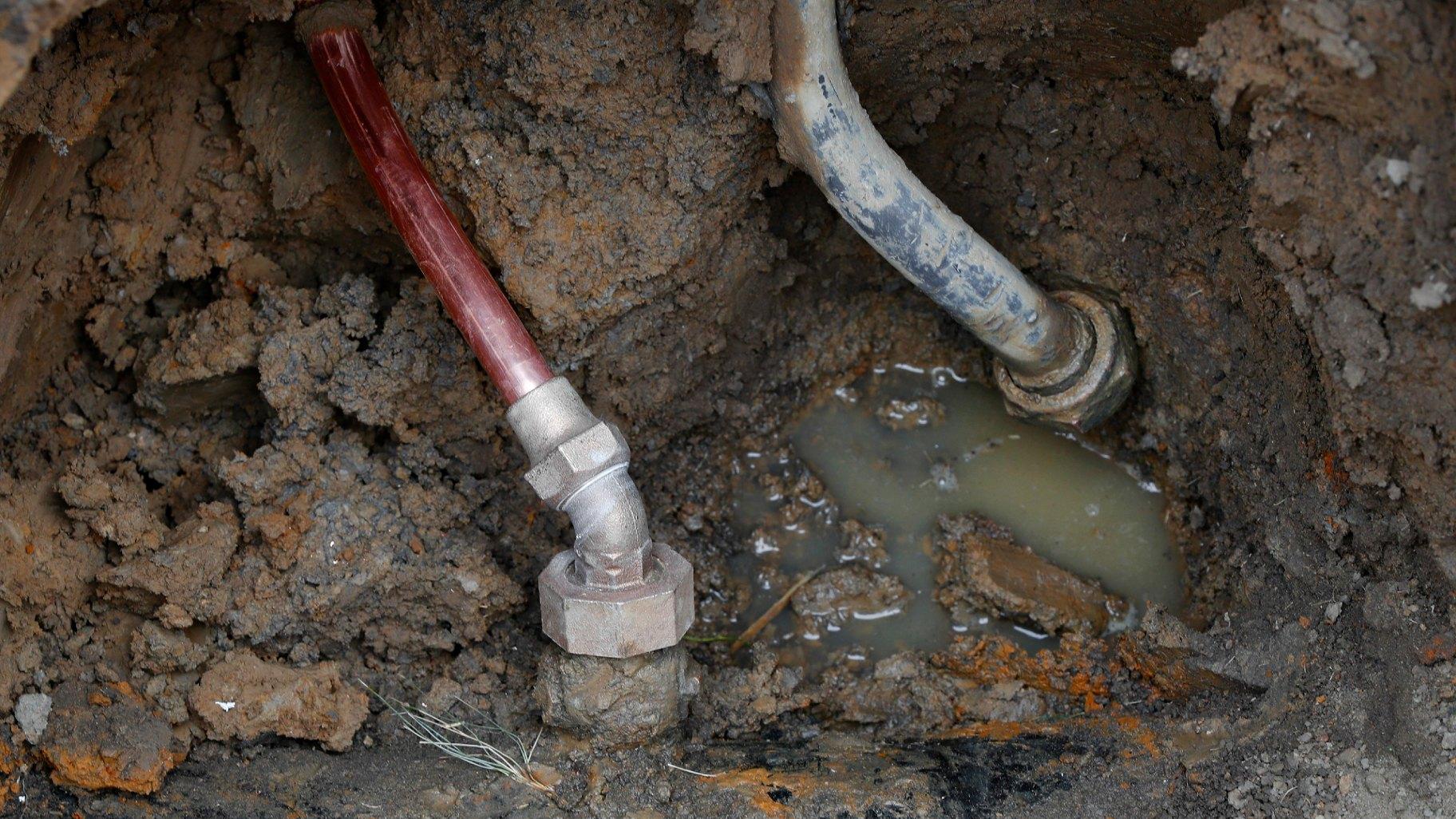 FILE - A copper water supply line, left, is shown connected to a water main after being installed for lead pipe, right, July 20, 2018, in Flint, Mich. (Paul Sancya / AP Photo, File)
“There is no known safe level of lead in drinking water,” the U.S. Environmental Protection Agency asserted on Tuesday as it issued a final rule that set a 10-year deadline for the replacement of lead service lines across the country.
The rule applies to 99% of the nation’s water systems, with exceptions for cities where the 10-year timeline isn’t possible, according to the EPA.
Chicago — whose 400,000 lead service lines are the most of any city in the U.S. — is among the 1%. The city was given 20 years to replace its lines — some 30 years less than a prior goal — with the caveat of needing to regularly demonstrate an effort to replace service lines “as quickly as feasible.”
Lead, a heavy metal used in pipes, paints, ammunition and many other products, is a neurotoxin that can cause a range of disorders from behavioral problems to brain damage. Lead lowers IQ scores in children, stunts their development and increases blood pressure in adults.
Lead’s durability made it a popular choice for water pipes, specifically service lines as opposed to water mains, until it was discovered to leach harmful chemicals into drinking water. In 1986, the U.S. banned the use of lead in new pipes, but that left millions of existing lines in service.
To date, “we’ve only chipped away” at the problem of the remaining lines, President Joe Biden said at news conference Tuesday in Milwaukee, where he announced the new rule.
“It’s taken too long,” Biden said. “We’re finally addressing an issue that should have been addressed a long time ago.”
The federal government will make an additional $2.6 billion in funds available to states to replace lead lines.
Illinois will receive $75 million, U.S. Sens. Tammy Duckworth and Dick Durbin announced.
“We have a monumental task ahead of us in replacing lead service pipes in Illinois, particularly in Chicago, but I’m encouraged by this significant step by the Biden-Harris Administration to support states in lead pipe remediation and look forward to supporting this plan in Congress,” Durbin said in a statement.
Chicago has struggled to replace even a fraction of its lead service lines and has estimated it will cost between $8 billion and $10 billion to remove them all.
Environmental groups lauded the EPA’s announcement of its new Lead and Copper Rule Improvements.
“EPA’s action today is a leap forward in protecting the health of tens of millions of Americans from this scourge,” said Erik Olson, a health and food expert at the nonprofit Natural Resources Defense Council.
The Environmental Law and Policy Center applauded not only the stricter replacement deadline but also the rule’s insistence on public access to information regarding a community’s lead lines.
“There is more work to be done to ensure safe drinking water for all, but this final rule is a major step toward getting lead pipes out of our drinking water systems,” Rob Michaels, the organization’s senior attorney, said in a statement.
The EPA estimates the stricter standard will prevent up to 900,000 infants from having low birthweight and avoid up to 1,500 premature deaths per year from heart disease.
The new regulation is stricter than one proposed last fall and requires water systems to ensure that lead concentrations do not exceed an “action level” of 10 parts per billion, down from 15 parts per billion under the current standard. If high lead levels are found, water systems must inform the public about ways to protect their health, including the use of water filters, and take action to reduce lead exposure while concurrently working to replace all lead pipes.
But other organizations said the rule didn’t go far enough because it failed to address lead plumbing fixtures in schools.
“Parents should know that the EPA has missed a major opportunity to safeguard water at school,” Emily Kowalski, outreach and engagement manager with Environment Illinois, said in a statement.
The Associated Press contributed to this report.
Contact Patty Wetli: @pattywetli | (773) 509-5623 | [email protected]