

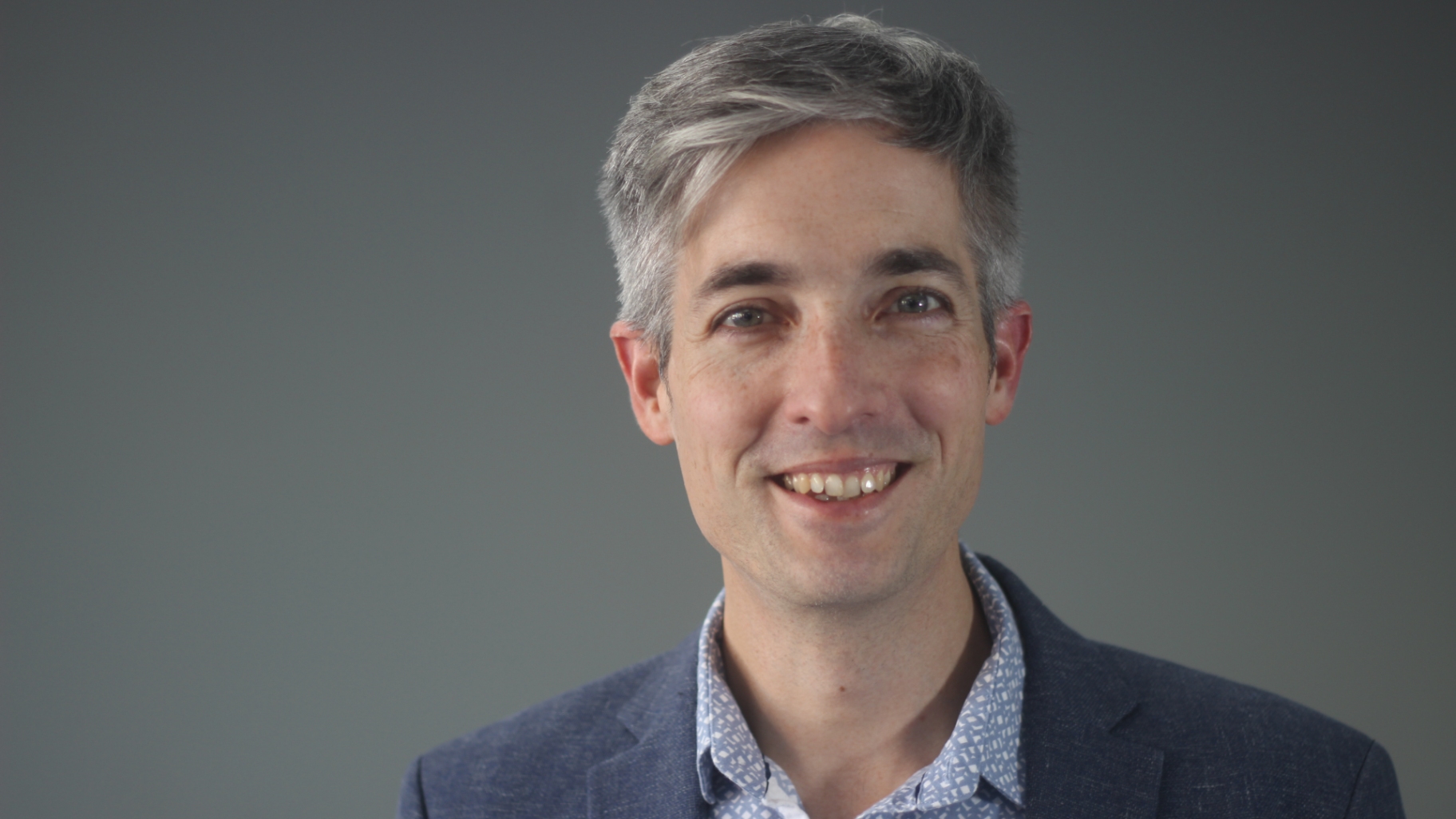
About the Candidate
Name: Daniel La Spata
Date of Birth: 1981
Occupation: 1st Ward Alderman
Political Experience: 1st Ward Alderman and 1st Ward Democratic Committeeman
Political Party: Democrat
Website: daniellaspata.com
Candidate Q&A
Why are you running?
I want my new-born daughter to live in a community that is safe, sustainable, healthy, and stable for all of its residents. This can be accomplished not only by how we police our neighborhoods but also how we invest in the resources they need and deserve. My priorities include bringing an alternative crisis response team citywide (the Treatment Not Trauma campaign), developing housing that prioritizes the needs of working families through deeply affordable and family-sized rental and ownership opportunities, and invest in new models of youth deflection, diversion, and employment programs to ensure that every at-risk young person has a path to unlock their potential.
We also need to develop decarbonization policies that achieve our emissions goals while lowering energy bills and creating hundreds of new green jobs at the same time. Finally, we should pass laws that ensure the safety of everyone traveling through Chicago whether by foot, bike, public transportation, or car.
What does this office do well, and what needs fixing?
I have transformed the 1st ward into a more democratic and transparent public office. This is evidenced by our instituting of participatory budgeting, publicly presenting all development proposals our ward office receives on our website, and actively engaging community members and neighborhood organizations in our zoning process. I have also been able to be an extremely effective legislator, having already introduced 39 ordinances/resolutions into the city council, with the medium alderman only introducing 3-4. If re-elected, I will continue to be a champion for working people and not the interests of large developers and corporations. I am proud of the work we have accomplished and I look forward to shepherding a new era of local politics which focuses on evidence based solutions and putting families first.
What is the most pressing issue facing your constituents and how do you plan on addressing it?
Increasing public safety is one of the most pressing issues in the 1st Ward. I believe we ask our police officers to do too much on their own and as Alderman, I've championed both data-driven initiatives to prevent crimes before they occur and supported projects like the first ever mental health responder pilot in Chicago. Expanding this pilot citywide will take thousands of calls off of officers' plates so they can focus on preventing and solving crime. Our work to civilian-ize music and noise complaint responses should do the same. My work also focuses on supporting programs proven to reduce crime by helping to resolve the root problems underlying why people turn to it in the first place, including investing in violence prevention initiatives and domestic violence response and prevention programs.
For these programs to be successful, though, Chicago City Council members need to foster more collaboration and communication between their local districts and those doing violence prevention work. We also need to ensure that those doing evidence-based violence reduction work, like READI and CRED, receive the funding that has already been allocated to them. Reducing crime both immediately and in the long term requires a holistic approach. Taken together, these investments can create the conditions for a safer and healthier Chicago.
What specific steps would you take to ensure your office is accessible and responsive to your constituents?
Starting in 2019, I established the most community-driven, transparent zoning process ever in the 1st Ward—including publishing all zoning applications online and hosting community forums for every proposal. I also refuse to take meetings with developers until after the community weighs in on a proposed development to ensure community voice is centered in decision making.
I launched participatory budgeting in the 1st Ward, a historic change allowing community members (not special interest groups and developers) to vote on how to spend more than $1 million dollars of annual aldermanic "menu money" on infrastructure like upgraded streetlights, street safety, or community beautification projects. (the 1 stward.com/pbl ) Additionally, every 2nd and 4th Thursday of the month, I host something called Ward Nights: 1 on 1 appointments with any ward resident who wants to meet with me, regardless of power or privilege. (the 1 stward.com/wardnight)
Do you believe in the tradition of aldermanic prerogative, which gives each City Council member the final say on issues in their ward?
Although I believe an alderman is the ultimate steward of their community, my goal as alderman has been to make the office more transparent while also providing community members with the ability to voice their concerns and ideas. With my introduction of participatory budgeting to the 1st Ward, we have seen residents actively engaging with the office on zoning issues and other budgetary decisions. As the ultimate steward to my community, I believe it is only fair that I provide the residents of my community with the most fair opportunities to build their neighborhood in their vision.
Should the $1.9 billion budget for the Chicago Police Department increase, stay the same or decrease?
It is crucial that we reassess our budget for the Chicago Police Department. I do not believe we need to increase or decrease the budget, but should instead restructure how we spend our money as we currently spend over $100M on police overtime and $80M on police settlements. Allocating some of this budget to increase hiring rate and retention of officers as well as providing better training when available. In comparison, we spend a total of $92M on the Department of Buildings, Department of HR, Department of Animal Care & Control, and all of the City Council - combined. I would encourage you to reach out to me to hear more about my plan for public safety that combines fiscal responsibility and efficiency, with police reform.
Should the city raise the Real Estate Transfer Tax on properties sold for more than $1 million to fund programs to help unhoused Chicagoans?
Yes. As long as those that sell properties valued at less than $1 million do not see a raise to the Real Estate Transfer Tax. I fully support the "Bring Chicago Home Ordinance", which would only impact on average 4.2% of homes and would establish permanent supportive housing for all Chicagoans experiencing homelessness.
Should the city open and operate mental health clinics to provide free care to Chicagoans?
Yes.
How should Chicago build the 120,000 homes it needs for low- and moderate-income Chicagoans?
As Alderman, I spearheaded the legislation to legalize basement units and coach houses - greatly increasing the supply of rentable housing the 1st Ward and across Chicago and helping homeowners access the increased income that helps them stay in their homes. I also supported the establishment of a several hundred million-dollar pandemic relief fund to subsidize the creation of new affordable housing developments. I've also supported the sale of city-owned lots for homebuilding across Chicago.
I've supported fair and accurate property assessments, including through the Data Modernization Act in Springfield, to make sure no homeowner is paying a dollar more than they have to and have voted against property tax increases several times. In the future, I plan to greatly expand city funding to encourage the rehab and redevelopment of existing affordable, multi-unit housing.
What do you see as potential solutions to address the number of shootings in Chicago?
We must increase capacity and service quality of gun violence, domestic violence, diversion, and victim services programs. I also support expanding access to jobs and housing for those impacted by violence, city sponsored gun buyback programs, and stopping violent crime before it begins. The latter includes supportive programming for youth at highest risk of violence involvement and increased knowledge of services through public awareness campaigns in communities of need.