

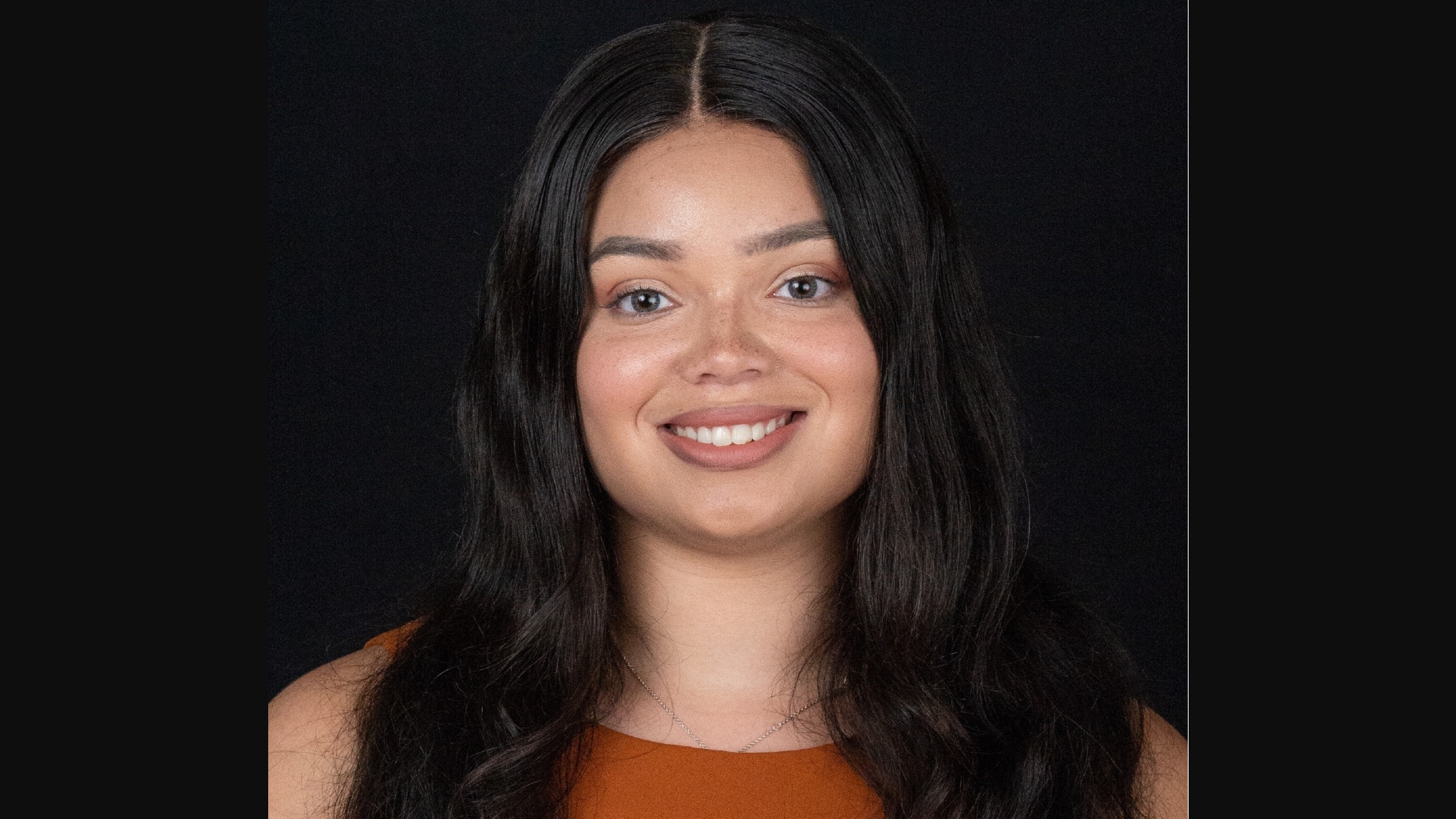
About the Candidate
Name: Ayana Clark
Date of Birth: 9/14/1994
Occupation: Program Director - Ready 2 Work, Hope Center Foundation
Political Experience: Former Community Advocate - Office of Congressman Bobby Rush; Alumni, Young Invincibles - Young Advocates Program; Alumni, Congressional Black Caucus Institute - Political Bootcamp; Digital Strategy - Citizens for Rush
Political Party: Democrat
Website: www.ayanaclarkfor21.com
Facebook | Instagram
Candidate Q&A
Why are you running?
I am a single mother raising two Black sons on the South Side of Chicago. Last year, our rising violence levels hit home after my son's school was caught in crossfire three times. I have watched as elected officials point blame, ignore our communities, and sit stagnant in seats. I am running for alderperson because our ward needs leadership that places the power of the seat back in the hands of the people who elect them.
Black residents are being priced and pushed out of our communities and I am running to reverse this trend and rebuild our neighborhoods in a meaningful way. My candidacy is a result of a promise I made to my children that they would not have to experience the hardships I had as a child and a promise to my community that I will always fight for better.
What does this office do well, and what needs fixing?
The aldermanic office has become disconnected from the communities they service. Residents are often left in the dark about developments and it can be difficult to get a response from the current elected officials.
What is the most pressing issue facing your constituents and how do you plan on addressing it?
Violence of course is the number one issue in the ward. I plan to:
1. Implement year-round youth employment programs.
2. Partner with CBO's to create interactive programming
3. Upgrade infrastructure to make sure streets and well lit and lots are clear
4. Support the peace book ordinance.
5. Collaborate with schools to identify potential conflicts and lead a youth council to help mediate them.
What specific steps would you take to ensure your office is accessible and responsive to your constituents?
1. Implement Monthly Ward Meetings.
2. Institute Bi-Weekly "Alderman on the Block" where we will visit different blocks and speak with residents about resources.
3. Create neighborhood councils to give residents an active voice in the community.
4. Create feedback form to allow residents to publicly review their interaction with the office.
Do you believe in the tradition of aldermanic prerogative, which gives each City Council member the final say on issues in their ward?
No, I believe it creates opportunities for corruption and lacks oversight.
Should the $1.9 billion budget for the Chicago Police Department increase, stay the same or decrease?
I support the Peace book ordinance that would redirect 2% of the CPD budget to fund violence prevention and mental health services for young people.
Should the city raise the Real Estate Transfer Tax on properties sold for more than $1 million to fund programs to help unhoused Chicagoans?
Yes.
Should the city open and operate mental health clinics to provide free care to Chicagoans?
Yes.
How should Chicago build the 120,000 homes it needs for low- and moderate-income Chicagoans?
We need to end the loophole that allows developers to pay a fine instead of creating affordable housing. Expand the ADU pilot to help fund new dwellings. Collaborate with Unions to target and build on city owned property.
What do you see as potential solutions to address the number of shootings in Chicago?
There is a direct link between poverty and violence and 51% of all arrests in 2021 were from people aged 30 and under. I plan to advocate for year-round youth employment programs, expand and fund after-school and community based programs, implement a restorative justice court in my ward, and reopen mental health clinics across the city.
What should the City Council do to stop the drop in the city’s Black population?
Black communities on the South and West sides have been continuously divested from. Resident's in those communities experience degrading infrastructure, under-resourced schools, lack of reliable transportation, and a shortage of viable businesses.
To reverse this trend, the city council should fund and implement a community-led QLP that will identify what residents in Black communities need, and then implement the results.
Black communities should look like all other communities. Period.