



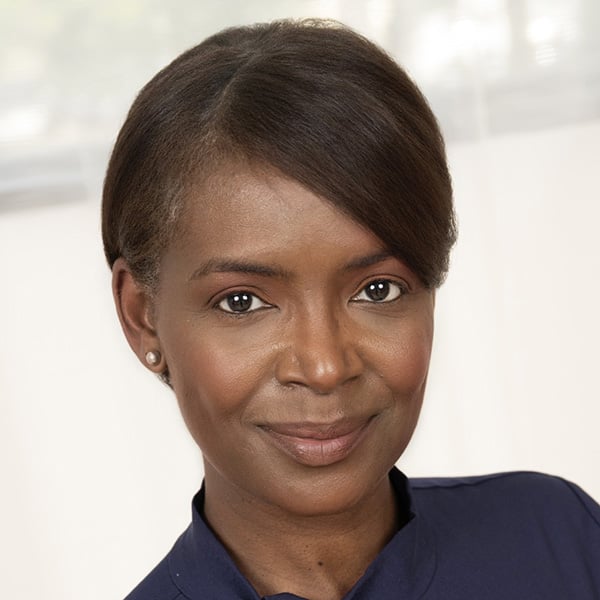
Candidate Q&A
Why are you running?
Our country requires competent, visionary, and committed leadership during these times of division and identity crisis. Ultimately, I want my grandchildren and yours to inherent a nation that works for them, their prosperity and preservation of their Constitutionally conferred liberties. Three of the priorities that I will pursue are: 1. Leading the health insurance redesign to cut costs and improve quality of care including health equity, trauma-informed care, prevention of abuse and exploitation, and implementing best practices to improve fetal-maternal health outcomes. 2. Design and implementation of a native-born labor sourcing plan to put Americans first, which, in 2024, I was invited to DC to brief Congressional staffers about. 3. Ensuring legislation and implementation guidance are efficient and effective at the onset, to cut waste, fraud, and abuse while prioritizing stability in domestic and foreign policy for ourselves and our children’s children.
What do you think is the most pressing issue facing your constituents and how do you plan on addressing it?
Costs of living is the most pressing issue. High cost of living is influenced by several factors: wage suppression and profiteering, out of control health insurance premiums, lingering effects of inflation from COVID recovery, property taxes as a state solution for revenue generation, and a housing market that is closed to the average consumer.
What do you think federal immigration reform should look like?
Robust. Adhering to existing immigration laws. Law and order for all stakeholders involved: citizens, illegal aliens, legal immigrants, elected officials at all levels of government, and law enforcement agents. There is enough accountability for everyone.
How should the Senate address the rising costs of health care?
Data shows that robust competition among insurance providers lowers costs for consumers. Long also supports the reinstatement of quality short-term, limited-duration insurance plans for those who want them, expansion of tax-free health-savings accounts (HSAs) for all Americans, and medical savings accounts (MSAs) for older adults. HSAs/MSAs are owned by the person, are inheritable, and the money can be converted into retirement funds if not utilized. According to the Federal Reserve, Americans on the cusp of retirement, at ages 45-54, have an average retirement savings of approximately $313,220. Inflation and high costs of living hurts families by decreasing affordability of everything from groceries, transportation, and utilities, to healthcare management, and, of course, retirement planning. Sixty-two percent of Americans support the ACA; a well-designed expansion of plan options and an increased emphasis on portable insurance could offset out-of-pocket costs, support small businesses, and supplement quality of life during retirement.
What approach would you take on tax policy?
I favor an elimination of the income tax via staged reduction starting with consumption or flax tax. We must reconfigure how we fund government and basic municipal and federal programs so that a safety net exists but citizens keep as much of their hard earned money as possible.
Should any changes be made to the size of the Supreme Court or the confirmation process?
No change to size. I want to confirm nominees who will help our nation advance, unify, and thrive. There seems to be a basic understanding that vetting a nominee includes consideration for their ethical frameworks, background, experience(s), administrative/judicial/leadership philosophies, and the domestic/global political climate. My criteria for vetting nominees would include an assessment of the extent to which the nominee applies a cultural and historical lens to their position. The United States has a complex but well documented story. The tragedies and triumphs of our history are nothing to hide nor deny. That history is the dynamic foundation for who we are and what we must do or not do again. All nominees should demonstrate a professional footprint that reflects a belief in that reality.
Do you believe the structure of the Senate leads to legislative gridlock? What would you change?
No. The Senate is supposed to be a more measured and deliberative body of the two houses. The focus should not be on speed, but on efficiency and effectiveness.
What is the most pressing foreign policy issue facing the country and what role should the Senate play in dealing with it?
Our relationship with BRICS nations and the corollary international relations choice points related to the fight for global influence.Given the push toward dedollarization, the Senate will play a role in modifying our participation in formal treaties and trade agreements. The Senate will/can engage with implementation of tariffs, treaty ratification, and can condition its consent, attach reservations, or withhold approval of international agreements.
How do you view AI and the role the government should play in its regulation?
AI is a useful tool when used responsibly. We must implement measures to regulate the burden of Ai data centers on consumer utility costs. We also need to ensure that Ai remains a tool to supplement human productivity and decision making, rather than replace it.
How will your approach differ from or mirror that of U.S. Sen. Dick Durbin?
I'm more nationalistic, more conservative, more populist, and more focused on process and related accountability. Senator Durbin has served Illinois for decades and has played a prominent role in national Democratic leadership, particularly in judicial confirmations, federal appropriations negotiations, and major legislative initiatives. I respect his long tenure and institutional knowledge. My approach, however, would differ in philosophy, priorities, and governing style. First, I place greater emphasis on structural constitutional discipline. I believe Congress must be more assertive in reclaiming its Article I authority; particularly in areas such as trade, sanctions, international agreements, and emergency powers. While Senator Durbin has often supported broader executive flexibility within established party frameworks, I would focus on clearer statutory guardrails and institutional limits to prevent mission creep and long-term instability. Second, on economic policy, I emphasize supply chain resilience, domestic production capacity, and maintaining dollar stability through institutional reform rather than short-term geopolitical leverage. That includes strengthening energy infrastructure, freight systems, and workforce readiness as foundations of national economic security. Third, in healthcare and regulatory policy, I prioritize transparency, accountability, and measurable outcomes. I support protecting private rights of action and ensuring that regulatory approval does not replace corporate responsibility when harm occurs. My health and well-being priorities focus on structural reform that balances innovation with consumer protection and long-term system sustainability. Fourth, on immigration and enforcement, I support strong border control and lawful enforcement conducted professionally and without unnecessary trauma or community instability. My focus is on restoring order through disciplined policy rather than rhetoric or symbolic escalation. Fifth, on "DEI," I value the inclusion of America's diversity, but I do not adhere to concepts of gender ideology, the transitioning of children, and place an emphasis addressing underlying mental health concerns (including trauma-informed practices) as well as wellbeing supports for adults who fall under the "trans" umbrella. Finally, in overall governing style, I would emphasize readiness, compliance integrity, and durability in federal commitments. That means ensuring Illinois projects, federal agreements, and legislative initiatives are built to withstand administrative change and partisan shifts. Where we may mirror one another is in recognizing Illinois’ central role in national commerce and the importance of federal engagement in key economic sectors. The difference lies in method: I prioritize structural reform, accountability, and constitutional clarity as the foundation for long-term stability.
How would you describe the current state of your party and what changes or new approaches would you like to see your party adopt?
The Republican Party is at an inflection point. Across the country, voters are signaling frustration with political institutions that appear reactive, polarized, and often disconnected from everyday economic realities. While our party has strong commitments to economic opportunity, public safety, and constitutional governance, we must sharpen our focus on relatable delivery, discipline, and real policymaking. I would like to see our party place greater emphasis on structural accountability using conservative principles. For example, tying federal spending to measurable performance, strengthening supply chain resilience, reinforcing domestic production, and restoring Congress’s Article I authority in areas that have drifted toward executive overreach. We must also broaden our coalition (i.e., a big tent strategy) by speaking consistently about workforce participation, small business formation, a return to first principles of the GOP, lawful immigration enforcement conducted professionally, and protecting individual rights without simply constitutionality rather than ideological fervor. This includes private rights of action when people are harmed by any entity. Economic growth, border security, national culture, energy security, reasonable discussion about climate impacts, and infrastructure reliability should be framed as nonpartisan priorities that tie to national strength and resource stewardship. In short, I would like my party to focus less on political theater and more on institutional integrity, economic resilience, and policy solutions that can withstand changes in administration. That is how we rebuild public trust and expand our positive footprint on the nation's history.