



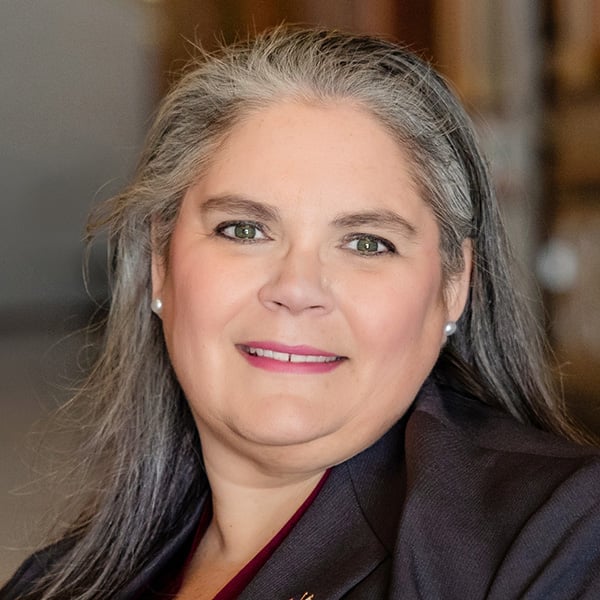
Candidate Q&A
Why are you running?
At the time of the 2024 election, I found out that Mary Miller ran unopposed for the IL-15. I knew that it couldn’t happen again. At that time, I began my research and found that Miller had completely abandoned the district by failing to meet the needs of those she was supposed to represent. Then, when the Budget Bill passed, and Mary Miller voted to cut BILLIONS from our healthcare and schools, while fully funding tax cuts to billionaires. I knew the path we were heading. Our rural hospitals and nursing homes will start to close due to non-payment from Medicaid and Medicare. This will devastate Central Illinois families, seniors, and our local economies by allowing the area to become healthcare and pharmacy deserts. As our next member of Congress, I will fully fund our kids' schools. I will fully fund Medicare and Medicaid, and I will lift our local jobs and economy.
What do you think is the most pressing issue facing your constituents and how do you plan on addressing it?
There are two issues I hear about constantly in this district. The first is infrastructure—roads, bridges, water systems, and repairs that local communities have needed for years. Bringing back Community Project Funding would give our counties, villages, and townships the resources to finally get these projects completed. The second is healthcare. IL-15 is home to about 700,000 people, and around one in four residents depends on Medicaid in some form. When we lose those benefits, we lose more than insurance—we lose healthcare jobs, local services, and timely access to medical care for families across the district.
What do you think is the most pressing issue facing your constituents and how do you plan on addressing it?
There are two issues I hear about constantly in this district. The first is infrastructure—roads, bridges, water systems, and repairs that local communities have needed for years. Bringing back Community Project Funding would give our counties, villages, and townships the resources to finally get these projects completed. The second is healthcare. IL-15 is home to about 700,000 people, and around one in four residents depends on Medicaid in some form. When we lose those benefits, we lose more than insurance—we lose healthcare jobs, local services, and timely access to medical care for families across the district.
What is one unique challenge your district faces and how do you plan to address it?
I’m going to be present in the district, meet with residents face-to-face, and listen to what matters most to them. If you contact my office, you won’t be ignored—you’ll be heard, and you’ll get an answer. Over and over this past year, people have told me the same thing: they can’t get a response from Mary Miller or her office. That’s unacceptable, and I’ll do better.
What do you think federal immigration reform should look like?
Immigration reform should protect our border and protect human life. That means stopping cartels, trafficking, and illegal crossings, while also building a legal immigration system that is orderly and functional. We should streamline legal pathways, reduce backlogs, and ensure we have enough judges and resources to process cases quickly and fairly. We can be a nation of laws and a nation of opportunity at the same time.
How should Congress address the rising costs of health care?
Congress needs to tackle rising health care costs by lowering what families pay out-of-pocket and protecting access to care—especially in rural communities like IL-15. First, we need real price transparency so patients know the cost before they receive care, not weeks later when a surprise bill shows up. We also need to reduce the administrative burden and complexity that drives up costs for families and providers. That’s why I support moving toward a Medicare for All system that simplifies coverage, cuts wasteful overhead, and ensures every American can access affordable care. And in IL-15, this is especially important because we have around 700,000 residents and roughly 25% rely on some form of Medicaid. When coverage is cut or unstable, it doesn’t just hurt patients—it hurts local jobs, hospitals, and our ability to receive medical care when we need it. My focus is simple: lower costs, protect access, and keep care local.
What approach would you take on tax policy and what is your top priority?
My approach to tax policy is to keep it fair, simple, and focused on working families and local employers. People in IL-15 are already paying more for groceries, gas, and health care—Washington shouldn’t make that worse with higher taxes and more complexity. My top priority is tax relief for middle-class families and small businesses, because when families keep more of what they earn, and employers can invest and hire, our whole district benefits.
Is the House currently using its oversight powers in the way it should be? What areas of government need more or less oversight?
The federal government works for the people—not the other way around. Oversight should be about protecting taxpayers and holding bureaucracies accountable. Too often, Washington spends billions with very little transparency, and families in districts like ours are the ones paying the price. We need more oversight of federal spending, waste and fraud, border security and fentanyl, and agencies that make decisions affecting rural healthcare and local jobs. And we need less time wasted on political games that don’t solve anything. I’m focused on oversight that actually produces change—because the people deserve answers, not excuses.
What is the most pressing foreign policy issue facing the country and what role should the House play in dealing with it?
The most pressing foreign policy issue is rising global instability driven by adversaries like China, Russia, and Iran. These threats aren’t theoretical anymore—they impact our economy, our energy costs, and our national security. The House has a major role to play by funding a strong national defense, supporting our allies, and using oversight to make sure every dollar spent is accountable and tied to clear objectives. Strength matters—but so does strategy. The American people deserve transparency, measurable goals, and leadership that puts our national interests first.
How do you view AI and the role the government should play in its regulation?
I see AI as both an opportunity and a challenge. It can improve productivity, expand telehealth, and help small businesses—but it can also disrupt jobs and be used to exploit people. Government should focus on protecting workers and consumers by stopping AI-driven scams and deepfakes, protecting personal data, and requiring accountability when AI is used in areas like hiring, healthcare, or insurance. And we should invest in training and workforce development so people in districts like IL-15 can benefit from new technology instead of being left behind.
How would you describe the current state of your party and what changes or new approaches would you like to see your party adopt?
I believe our party has strong values and a lot of good people, but we need to be honest about where we are. Too often, voters see division and dysfunction instead of real solutions. Folks in IL-15 aren’t asking for drama—they’re asking for results on jobs, inflation, healthcare, and basic accountability. I want our party to refocus on governing. Less noise, more work. That means being present in the district, communicating clearly, and working across the aisle when it’s in the best interest of IL-15. I’ll always stand on principle—but I’m running to deliver results.