



- prev candidate
- next candidate
Candidate Q&A
Why do you want to be a commissioner of the Metropolitan Water Reclamation District of Greater Chicago and why do you believe you are qualified?
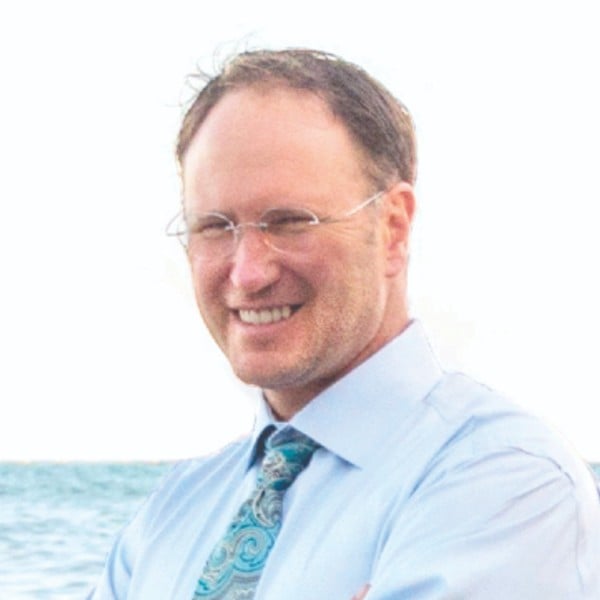
For more than four decades, Cam has been a clean water advocate, as President Obama’s “Great Lakes Czar,” as president & CEO of the Chicago-based Alliance for the Great Lakes, and as a former environmental professor at the University of Michigan Law School. Cam put himself through law school at Chicago-Kent College of Law at night and earned a J.D. and certificate in environmental and energy law so that he could serve the public interest, which he’s faithfully done for more than 40 years.
With rainstorms more frequent and severe, the Deep Tunnel system and the MWRD reservoirs fill up. As a result, it’s sometimes necessary to release sewage overflows into waterways. What other strategies should the MWRD employ to reduce those sewage releases?
Commissioner Davis has led the effort to expand the effort to bring green infrastructure from our Chicago schools to our suburban schoolyards. That effort is now getting off the ground. As residents, we also have a role to play in reducing our use of water (laundry, showers, etc.) during heavy rainstorms. We can also store rainwater in rainbarrels around our buildings for use in gardens.
How else can the MWRD improve conditions in area waterways to reduce public health threats?
Cam has pushed hard for “polluter pays” mechanisms to shift the financial burden of contaminants from Cook County taxpayers (through MWRD) to manufacturers of PFAS, pharmaceuticals, and other materials. Some of these efforts have resulted in bills that are now before the state legislature (like HB 2955).
Do you think the MWRD does a good job informing the public about permeable paving, “green alleys,” rain barrels and other methods of reducing flooding?
Yes but it’s always possible to do more. Efforts to these efforts are helping, but using social media and other outreach pathways in different languages will continue to help.
Do you think the MWRD has a role in reducing contaminants like prescription drugs / pharmaceuticals and toxic chemicals like phosphates?
Yes. Commissioner Davis has led the effort for MWRD to take advantage of drug take-back programs paid for by pharmaceutical manufacturers, as established by Illinois law. So far, MWRD has not taken advantage of this important program that would shift some of Cook County taxpayer burdens to pharmaceutical manufacturers.
Do you believe the MWRD has a role in preventing aquatic invasive species from entering the Chicago waterway system?
Yes. As the former co-chair of the Invasive Carp Regional Coordinating Committee during the Obama administration, Cam invited MWRD to be part of the solution to keep invasive species from transferring between the Chicago waterway system and the Great Lakes. MWRD could provide technical assistance to support efforts to make further progress.
What specific water infrastructure projects or investments would you pursue if elected?
In addition to suburban schoolyard green infrastructure, Cam is promoting the use of recycled water (water reuse) as a more cost-effective alternative to withdrawing clean water from Lake Michigan. After all, Lake Michigan water belongs in Lake Michigan.