

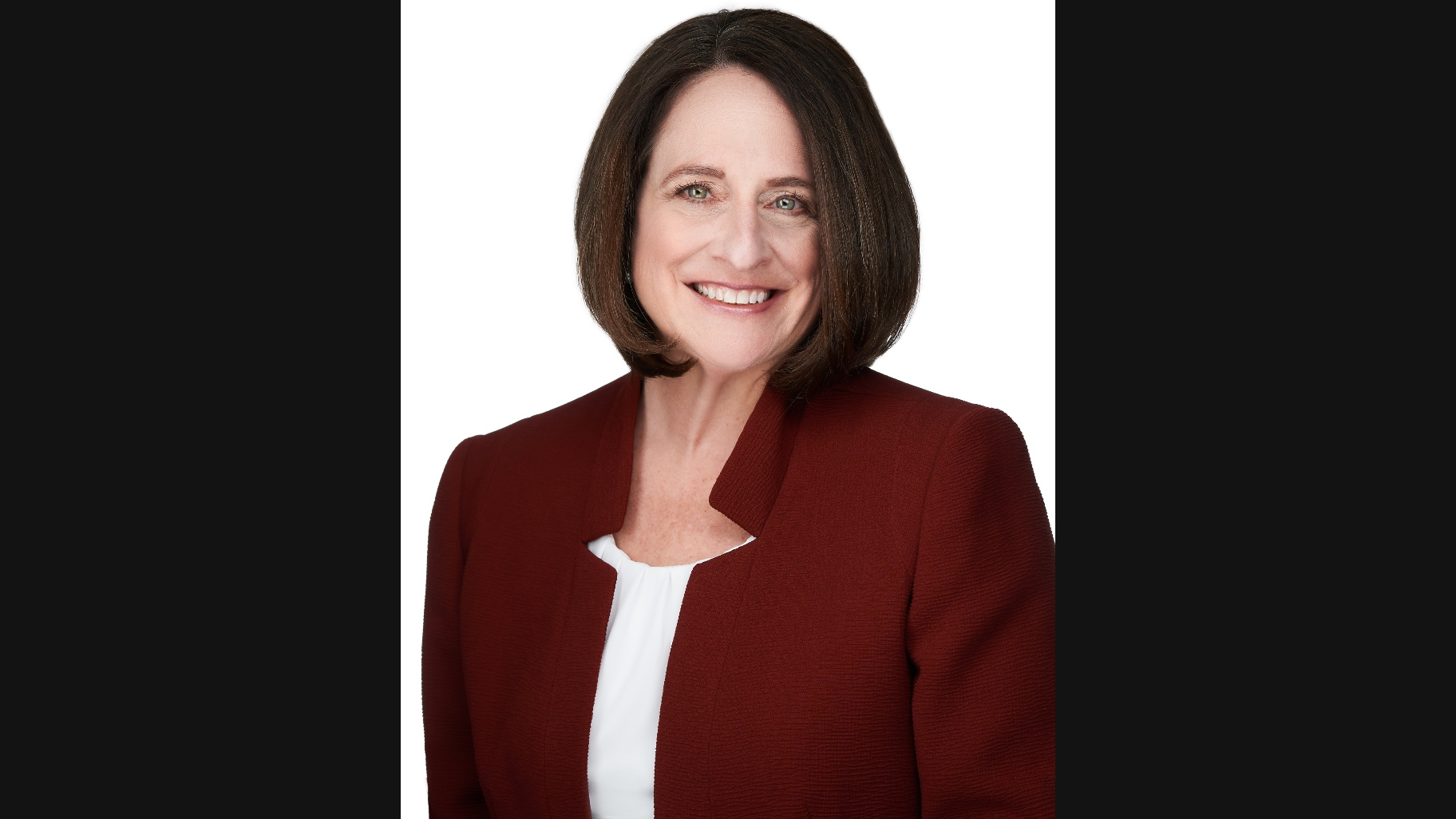
About the Candidate
Name: Susanna Ernst
Date of Birth: May 12
Occupation: Consultant
Political Experience: None
Political Party: Democrat
Website: susannafor45.com
Candidate Q&A
Why are you running?
Our city is at a crossroads, and we must address our most critical issues such as safety, school enrollment, tax burdens, mass transit utilization, and harmful drinking water. These are all challenges that I want to solve, because I care deeply for my city, my community, and my neighbors. This is my home.
For well over 20 years, I have been actively participating without pretense: I am engaged because I want to be; I have no ulterior motives. My track record of success speaks for itself, having founded multiple civic organizations, forging partnerships that bring people together instead of focusing on differences, and following through on projects and goals. I want us to have a safe, prosperous, and equitable place to live, and I want to lead us there.
What does this office do well, and what needs fixing?
An alderperson should be serving all constituents fairly, especially those who are trying to bring positive change to our communities. This should be true regardless of location or affiliation. We should have open Ward nights, where anyone can attend, and we should be collaborating across the Ward with all neighborhood and business associations. We should be more focused on building a better future post-COVID: one that is safe, prosperous, and welcoming for all.
We should have clear communication about what is happening in our Ward, including the latest news about development projects and their impact on our neighborhoods. Additionally, we should have more visibility to what is going on in Chicago City Council, especially legislation passed that is pertinent to our Ward.
As public safety is a big concern, we should ensure that our residents are working directly with first responders and our CAPS meetings are heavily promoted.
And finally, we should be thinking about how to promote new development and encourage economic growth, particularly near our transit centers.
What is the most pressing issue facing your constituents and how do you plan on addressing it?
The Ward is a very diverse area, with a length of over six miles. It extends from the dense urban area around Independence Park (Elston/Irving) to the more bucolic edge of the city in Edgebrook that abuts Niles. Because of this, different issues are of concern dependent upon location. Overall, residents throughout the Ward are concerned with safety, economic development, and inequitable services.
Public safety has been cited as a large concern, and it will continue to be a concern with no changes. Much of what needs to be accomplished will need to happen at the city level, including new ways of enticing people to serve as officers and finding ways to retain their valued services for as long as possible. Long response times in the 16th and 17th District (and throughout the city) are problematic. The force is clearly understaffed and overworked. In the meantime, we must have constant open communication with our residents about safety, ensure that cameras are placed and used effectively, and a proactive, vigilant partnership between citizens and our police force. This means more community involvement in CAPS meetings, more citizen/officer engagement, and continued solicitation for additional resources in our districts. I will also work closely with our new police district councils to help facilitate engagement between our police force and local residents.
To encourage economic development, I would ensure our local Chambers of Commerce are funded, enabling them to get resources and oversight from proven professionals. I would also ensure that our Special Service Areas have effective management and that small businesses have an understanding of the assets and assistance available to them. Additionally, I would initiate conversations with our state lawmakers regarding ending the policy of tax breaks for empty storefronts unless there are extenuating circumstances and good faith efforts to rent. In collaboration with all local business organizations, the 45th Ward would be marketed as a place to establish new and diverse businesses, as we are on the verge of a trajectory of growth.
To address equitable servicing, community non-profits would be invited to participate in a collaborative working environment. We would facilitate meetings that occur on a regular basis, including representatives from each local neighborhood group. Anyone who is working for the betterment of our community will be treated respectfully and will have unequivocal support. As a person who has already been working in multiple community groups throughout the Ward, I have an understanding of the best ways of working with people of diverse needs and backgrounds. In addition, residents would be able to come to the office for “Ward Nights,” where we can have an open conversation about concerns.
What specific steps would you take to ensure your office is accessible and responsive to your constituents?
Community non-profits would be invited to participate in a collaborative working environment. We would facilitate meetings that occur on a regular basis, including representatives from each local neighborhood group. Anyone who is working for the betterment of our community will be treated respectfully and will have unequivocal support. As a person who has already been working in multiple community groups throughout the Ward, I have an understanding of the best ways of working with people of diverse needs and backgrounds. In addition, residents would be able to come to the office for “Ward Nights,” where we can have an open conversation about concerns.
Do you believe in the tradition of aldermanic prerogative, which gives each City Council member the final say on issues in their ward?
Aldermanic prerogative can ultimately lead to inconsistency of law among wards, and it can lead to corruption. It causes zoning decisions to deviate by neighborhood, having impact on the levels of gentrification and the amount of available housing. When a specific alderperson has the power to determine which projects get passed and which do not, discordant and inequitable economic growth will ensue.
Should the $1.9 billion budget for the Chicago Police Department increase, stay the same or decrease?
At this time the police budget should remain the same. Two primary issues are at play. First, the reinstatement of mental health services and the removal of this function from the police workload and, second, the shortage of police to address violence in the city of Chicago as they are primarily tasked. These need to be balanced before a final decision should be made.
Should the city raise the Real Estate Transfer Tax on properties sold for more than $1 million to fund programs to help unhoused Chicagoans?
Yes, the Bring Chicago Home proposal should return to the table. The price of housing is spiraling out of control, and the city of Chicago is at crisis level with our unhoused population.
Should the city open and operate mental health clinics to provide free care to Chicagoans?
We need more mental health clinics to support our communities and to help those in most dire need. The biggest challenges in our city today cannot be solved without servicing our population with solid and affordable mental health care. This would also take some of the burden away from our overworked police force.
How should Chicago build the 120,000 homes it needs for low- and moderate-income Chicagoans?
This is not a question of a single input but requires the support of many constituencies. Full utilization and expansion of TOD programs should be encouraged. We should expand the ADU program beyond its current pilot footprint into other regions. Additionally, "buy outs" by developers for affordable housing in new developments should be limited or completely eliminated.
What do you see as potential solutions to address the number of shootings in Chicago?
The rise in violent crime over the last two years is not unique to Chicago, but it is one of the top concerns of our residents and it must be addressed. Many of our police districts are experiencing a shortage of officers, creating long response times and an exhausted force.
To remedy this shortage, we need to establish new ways to entice people to become part of our police force as well as figure out ways to retain the services of experienced officers. Residents are clear that we need more protection on our streets. This may mean figuring out new and creative ways to recruit and retain, including relaxing some of the more stringent requirements for entry into the Training Academy and retention bonuses and perks. We also need to ensure that canceled days off and 11-day workweeks are the exception and not the norm.
Ultimately, we will likely need a multi-solution approach that includes fully resourced first responders, support for community programs, easy-to-access mental health resources (for residents and first responders), gun violence prevention, and more community based social service resources.
We also need to examine more investment in our community violence intervention initiatives and the organizations that promote them. The leaders of these groups operate at the neighborhood level and are generally led by people with experience in the communities. Success of these programs is predicated on sustained support from partners in government.
Should the city do more to encourage residents to live close to where they work and shop by building dense multi-unit apartment complexes near transportation hubs?
Yes. This will create healthy residents, lower our carbon footprint, reduce traffic congestion, and build a sense of community on our urban streets. Walkable streets encourage economic development, as it provides an enticing backdrop for people to shop, dine, and work.
In the long run, it lowers our overall costs (as individuals and as a city), and it will encourage economic growth around transit nodes.
Should the city prioritize the construction of bicycle lanes and encourage people to use bicycles to commute to work?
Yes. Not only does cycling promote health for the individuals riding, it also promotes the health of the surrounding population by reducing pollution in the air caused by motor vehicles. It will improve air quality, and it will also reduce water and noise pollution.
Bicycles are less dangerous for pedestrians, and their use can reduce traffic congestion. Ultimately, it will reduce our costs as individuals and as a city.
Should city employees continue to be required to live in Chicago?
Yes, but we may need to revisit this in the months and years to come, to entice people into employment where we have severe shortages, such as within our police force.