

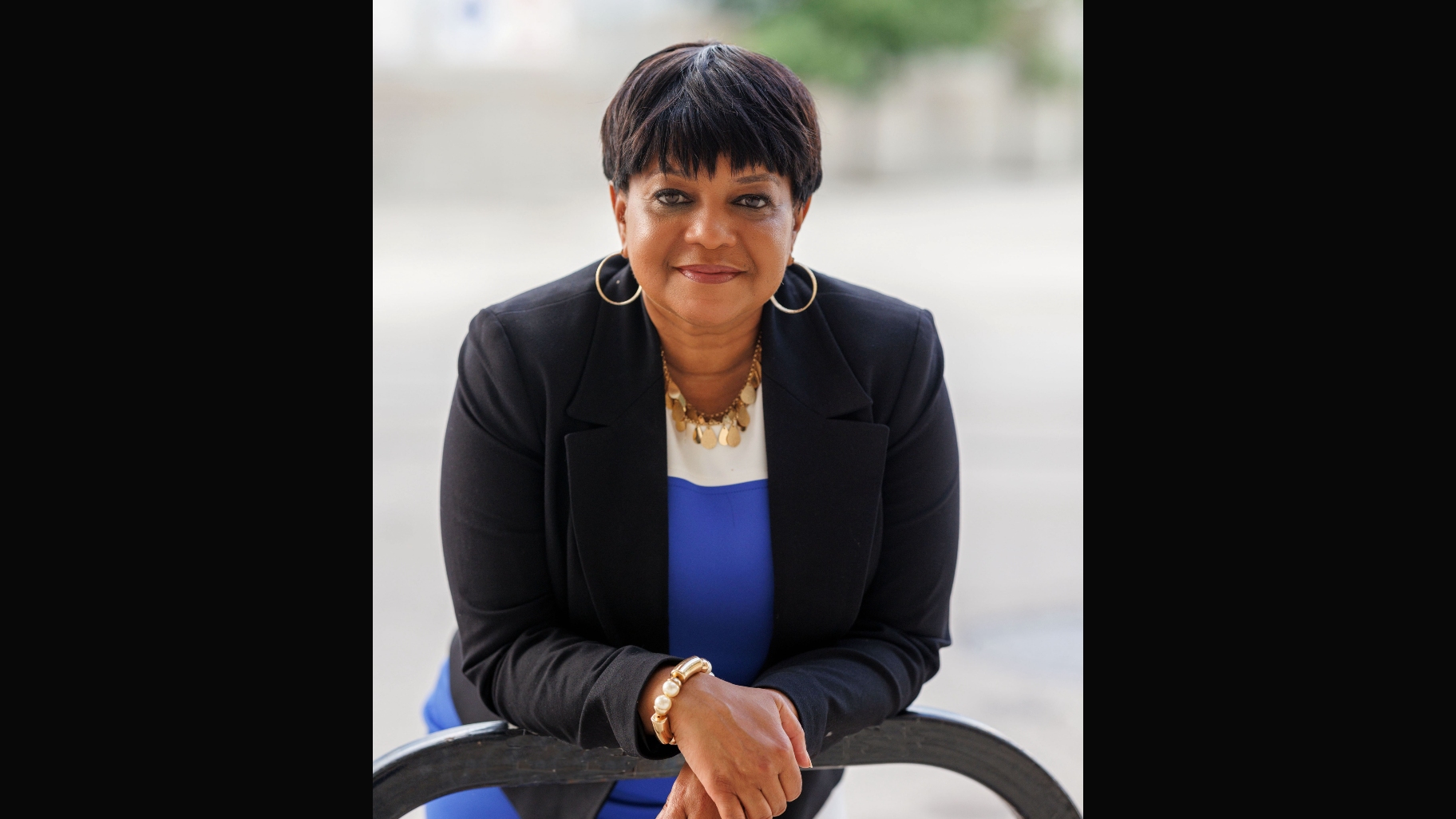
About the Candidate
Name: Roushaunda Williams
Date of Birth: Dec. 28, 1967
Occupation: I am a union bartender at the Palmer House Hilton.I have worked there for 21 years.
Political Experience: I have served as a Vice President of the Executive Board of the Illinois AFL-CIO since 2018.
Political Party: Democrat
Website: roushaundawilliams.org
Candidate Q&A
Why are you running?
I have spent the last two decades bringing people together to win what at times seemed impossible — safety, security and hope. I will work just as hard as Alderwoman to make sure 46th Ward residents and the people of Chicago are safe and sound.
What does this office do well, and what needs fixing?
There needs to be clear, transparent, and inclusive process for community involvement for issues that concern our Ward. Alderpeople need to listen to voices from all parts of the Ward, not just some. We need to create a better process for folks who may not have resources, technology or be mobile to be able to access the Ward office, engage with the office and have their voices heard and their needs met.
What is the most pressing issue facing your constituents and how do you plan on addressing it?
I believe that people in my ward and across our city want to feel safe and sound in their community. We can only address this if we understand the basics of law enforcement and social work. We need to address the various building blocks that allow a person to feel secure and to flourish, including housing, mental health services, good jobs, and health care access.
What specific steps would you take to ensure your office is accessible and responsive to your constituents?
I will have weekly open hours where constituents can meet with me and share their concerns. My ward website will be easy to navigate with FAQs and make community resource information easily accessible. I will have regular office hours and monthly community/town hall meeting meetings facilitated by my staff and me. I will have a different theme to the meeting each month, as well as general meetings about themes or issues that are raised by a number of constituents.
Do you believe in the tradition of aldermanic prerogative, which gives each City Council member the final say on issues in their ward?
Alderpeople should work on behalf of the people they represent and treat that position with the respect it deserves.
Should the $1.9 billion budget for the Chicago Police Department increase, stay the same or decrease?
The more important question is how we are spending the money that is currently allocated to best our residents safe and sound. I believe to make progress in addressing public safety, we need to ensure our police officers and our communities know the basics of both law enforcement and social work.
We need to have a comprehensive view of public safety. This includes creating a path for those from our most vulnerable communities, especially our youth, to have real careers through high-quality job training and registered apprenticeship programs. This also includes investing in mental health services. We must ensure accountability for police officers, pursue avenues to repair the relationship between the police and communities of color, and ensure the newly elected civilian oversight board has the necessary resources to do their work.
Should the city raise the Real Estate Transfer Tax on properties sold for more than $1 million to fund programs to help unhoused Chicagoans?
I know the stress that comes with fearing eviction. In 2020, I was laid off from my bartending job. During a global pandemic, the rent in my Uptown apartment increased. I didn’t know how I was going to afford it. The subsidized building nearby had no vacancies and was not accepting applications. As Alderwoman, I will work to increase affordable housing options in our community and ensure housing stability for residents. We need a range of solutions that expand housing options, increase social service supports, create and retain good jobs that allow residents keep up with rent or their mortgage payments, and provide permanent housing solutions for people experiencing homelessness.
Should the city open and operate mental health clinics to provide free care to Chicagoans?
I know the pain that families and communities experience when mental health services are hard to come by. I spent years working in the 46th Ward as social worker and supporting my older brother who lived in Uptown and struggled with mental health issues and homelessness. I am committed to ensuring that all Chicagoans have the mental health services they need, and that families of people who experience mental health challenges have the support they need, too.
How should Chicago build the 120,000 homes it needs for low- and moderate-income Chicagoans?
We should look at ways to incentivize the construction of affordable housing in our communities and ensure that housing is truly affordable for low and moderate-income Chicagoans and has the space and amenities that families need. We should work with our state and federal legislators to secure funding for affordable housing development. For example, we should think about utilizing funds from the American Rescue Plan which were earmarked for local municipalities for the construction of affordable housing. We should also ensure that any and all construction and permanent jobs created by the development of new affordable housing should create good, safe jobs for our City.
What do you see as potential solutions to address the number of shootings in Chicago?
One important aspect of reducing violent crime is to increase the number of young people who have access to job training and good jobs. We should encourage the creation of high-quality, permanent jobs both Downtown and in our communities. We should hold developments that seek public subsidies accountable for the quality of post-construction jobs they create for the communities in which they seek to build.
We should also ensure publicly subsidized developments invest in high-quality job training and registered apprenticeship programs and proactively engage young people living in areas of high-unemployment in those programs. By pairing the creation of high-quality jobs with high-quality job training, we can provide youth and individuals from traditionally disinvested communities with a pathway to success.
My union’s Chicago Hospitality Institute’s Culinary Apprenticeship program is primarily comprised of African American and Latino students. Our Culinary Apprenticeship provides students with a free, 8-week intensive culinary training program followed by on-the job training in a high-quality hospitality job. Many of the culinary apprentices had no previous culinary experience but are now working in some of Chicago’s top hospitality venues. Imagine if there were partnerships between developments on the South and West sides and registered apprenticeship programs. We could create a pipeline for youth and unemployed and underemployed individuals to have a real career in their own neighborhood.
Imagine the sense of pride a young person would have as they walk to work in their community, having completed their apprenticeship with the skills they need to succeed. That young person would have hope for their future, knowing they are making a great wage and have the healthcare they need. I think this is both realistic and would be transformative for our city.
Should the city do more to encourage residents to live close to where they work and shop by building dense multi-unit apartment complexes near transportation hubs?
We should explore a variety of ways we can encourage residents to live close to where they work. We should also consider how we support the creation of high-quality jobs in our communities.
Should the city prioritize the construction of bicycle lanes and encourage people to use bicycles to commute to work?
We need to take pedestrian and biker safety seriously and continue to explore ways to make our city walkable, bike-able, rollable, and safe for all residents.
Should city employees continue to be required to live in Chicago?
Yes.