

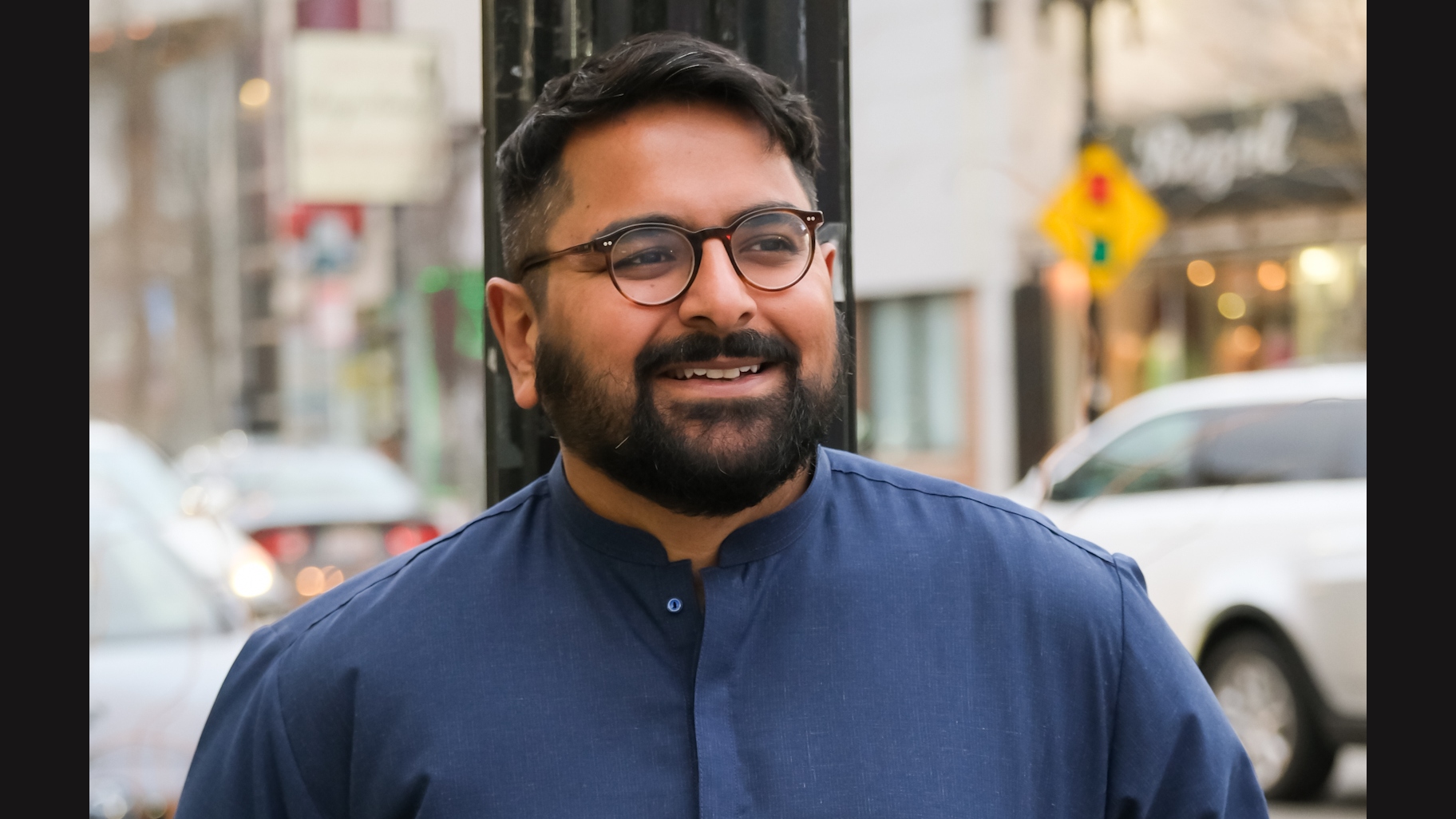
About the Candidate
Name: Mueze Bawany
Date of Birth: 1987
Occupation: CPS teacher
Political Experience: None
Political Party: Democrat
Website: muezefor50.com
Candidate Q&A
Why are you running?
I am running to be alderman because I believe that our ward deserves unifying and responsive leadership after 50+ years of machine rule over this ward that has all too often put the needs of donors and special interests over those of the community.
This neglect of the community became especially egregious during the pandemic when the aldermanic office was overwhelmingly unresponsive to constituents, even as our ward had some of the highest rates of COVID in the city early in the pandemic and saw countless cases and deaths at nursing and senior homes owned by the incumbent’s donors and lacking proper precautions. As community members, we mobilized independently of the aldermanic office to provide essential PPE to neighbors in need but the helplessness I felt in this moment was ultimately instrumental in driving my decision to run for alderman.
What does this office do well, and what needs fixing?
The current aldermanic office has been an improvement from the previous administration on most matters but nonetheless, we should hold our leaders to a higher bar than the standard set by Bernard Stone. To my mind, there are three key roles that aldermen play: 1. Delivering timely and responsive constituency services; 2. Working on legislation; 3. Actively conducting civic engagement. The current administration has unfortunately been disappointing on all three fronts, to the detriment of the community’s welfare and well-being.
What is the most pressing issue facing your constituents and how do you plan on addressing it?
The most pressing issue facing the people of the 50th Ward is the lack of ward democracy (co-governance). There is no participatory budgeting process of any kind and we are one of the few wards in the city without a zoning council or any form of zoning process that incorporates community input.
The complete lack of transparency around the governance of the ward coupled with story upon story of ward constituents’ difficulty in reaching the alderman and getting basic 311 requests for speed bumps, for example, fulfilled is deeply troubling — especially when you consider the absence of any translations on the ward’s website and newsletters required to meet the language needs of the city’s most diverse ward, which compounds this matter.
If elected, I will certainly implement a community-zoning process to solicit input and buy-in from community members on all development that occurs in our ward as well as organizing repeated meetings, by precinct, where residents decide how $1.5 million of our menu money is spent on capital improvements in our ward. In delivering co-governance, we also shape the way outreach can be done to everyone in the ward, which also means meeting the language accessibility needs of the many bilingual and multilingual members of our community.
What specific steps would you take to ensure your office is accessible and responsive to your constituents?
I plan to hire staff that reflect the diversity of the ward (culturally and linguistically), as well as hold weekly ward nights where residents can sign up for one-on-one meetings with me to address any concerns they might have. Given that there are more than 40+ languages spoken in this ward, constituents can indicate a desire for having an interpreter present at these meetings should there be a need to, and all material distributed by the aldermanic office will be translated into at least the seven most widely spoken languages in our ward.
Do you believe in the tradition of aldermanic prerogative, which gives each City Council member the final say on issues in their ward?
To an extent — I believe Alderman should have decision making authority about what development comes to their ward and what zoning changes are approved, however, I can also acknowledge that the history of prerogative has been rooted in corruption especially when not guided by a robust community based process.
For any decision, there has to be a lengthy community based process to dictate the full extent of the decision — this is why I support zoning advisory councils and community based zoning for example. I want to co-govern with the community and community groups, community partners every step of the way.
Should the $1.9 billion budget for the Chicago Police Department increase, stay the same or decrease?
It should be decreased to accommodate for investment in other public safety resources and programs. The Chicago Police Department is over-bloated given the well-documented staffing shortage in the police force. Given that last year 37% of calls to police were for mental health, substance use, and well-being checks, we need to invest in expanding mental health first responder programs where trained crisis workers respond to non-violent 911 complaints, allowing police to focus on priorities and duties they have been trained to address.
Should the city raise the Real Estate Transfer Tax on properties sold for more than $1 million to fund programs to help unhoused Chicagoans?
Absolutely: I support the Bring Chicago Home Ordinance in full. It was egregious that certain aldermen failed to show up in order to block the vote on the Bring Chicago Home Ordinance. No person should face a Chicago winter without a place to live; housing stability ought to be considered a human right.
Should the city open and operate mental health clinics to provide free care to Chicagoans?
Yes. Access to mental healthcare should not be limited to the privileged, and it’s important to acknowledge the importance of mental healthcare access in addressing public safety concerns, particularly with regard to the role of trauma in making people feel unsafe. Free and accessible mental health care is an essential part of ensuring we interrupt cycles of trauma and provide stability to our families and community.
How should Chicago build the 120,000 homes it needs for low- and moderate-income Chicagoans?
I fully support the Development for All Ordinance’s effort to eliminate “in lieu of” fees and loopholes that developers exploit to circumvent the requirement to provide 30% affordable units on site. This would go a long way towards building the homes we need to provide true housing stability and affordability, and encouraging development without displacement.
Additionally, we’ve never had a problem with the logistics of development, however, we have made housing overly political, including continued policies of CHA not doing what it was meant to do in terms of providing housing.
What do you see as potential solutions to address the number of shootings in Chicago?
We need to create a dedicated Office of Gun Violence in City Hall with staff empowered to work with state legislators to pass common sense gun control measures, among other violence prevention measures. We also need to address the root causes of violence: at-risk youth need to be identified and provided wraparounds services that support them and their families; we also need to acknowledge the high rates of recidivism and provide the means for successful re-entry through job creation and providing affordable housing.