

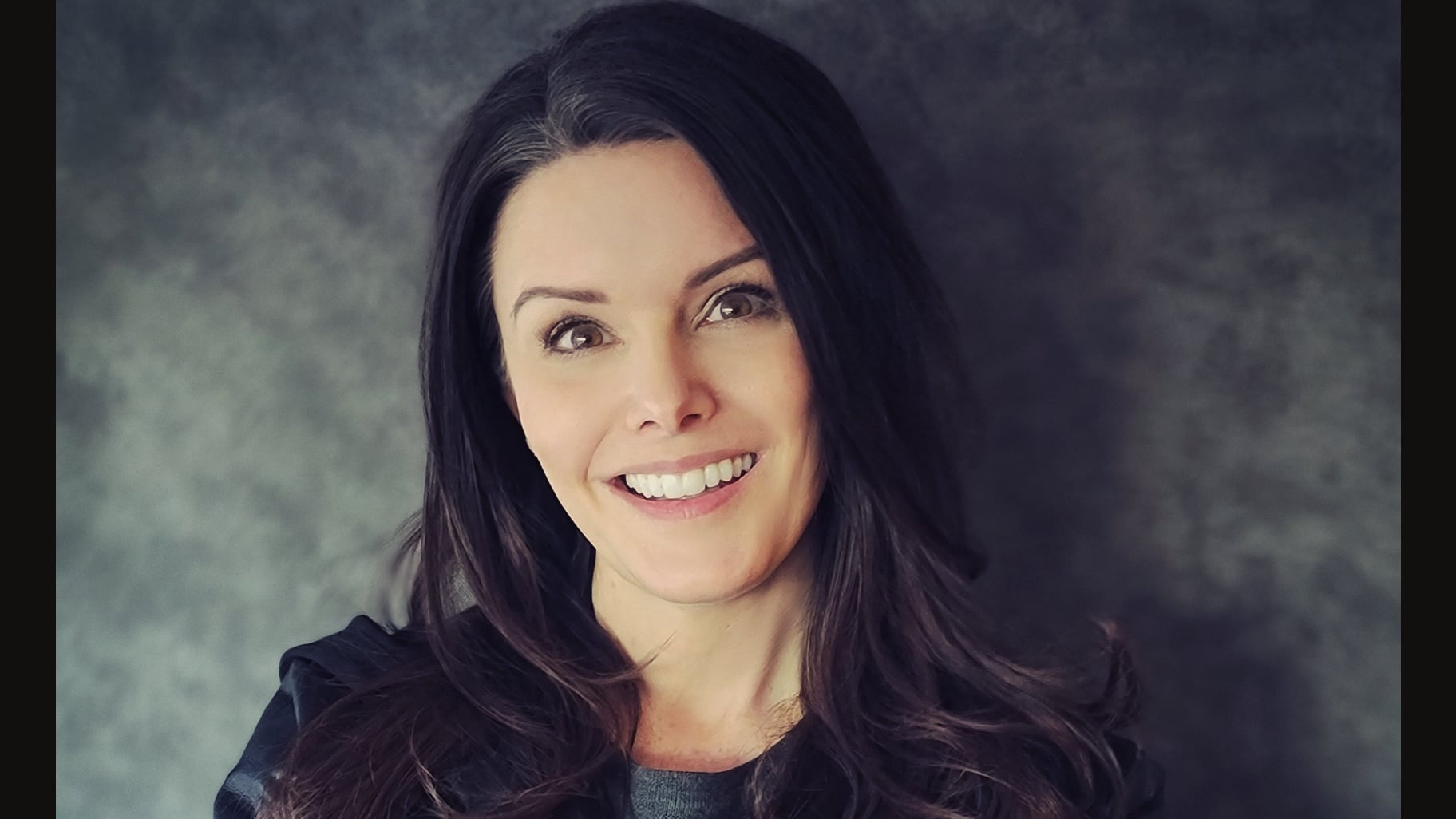
About the Candidate
Name: Kim Walz
Date of Birth: February 28, 1975
Occupation: Regional director, state and local government relations, Walgreens
Political Experience: Director of Policy Analysis/Chief of Staff - Cook County Commissioner Mike Quigley (2000-2009); District Director/Deputy Chief of Staff - Congressman Mike Quigley (2009-2010); Gubernatorial appointee, Bi-National Great Lakes Commission (2009-2010); Director, Illinois Women for Hillary (2016)
Political Party: Democrat
Website: www.kimwalz.com
Candidate Q&A
Why are you running?
The values of public service and community engagement were instilled in me at a young age. My mother was a nurse and my father a high school teacher who served as the Illinois Education Association representative for his region. I was raised that when you think something is broken you fix it — and I think we have a lot we need to get accomplished in the ward and in the City of Chicago.
I have spent over 25 years alongside my family trying to help our sibling who suffers from mental illness and is unhoused. My sibling will not let us help them — so one of my top priorities is working to change the system to help others.
What does this office do well, and what needs fixing?
I believe that the 46th Ward Aldermanic office should work to improve the process to receive community input on zoning decisions. Currently the 46th Ward Zoning & Development Committee does not reflect the diversity of the ward and many voices are unheard. As Alderwoman I would ensure that the committee is more inclusive.
What is the most pressing issue facing your constituents and how do you plan on addressing it?
Public safety and strengthening our social safety net are the most pressing issues facing the 46th Ward.
First, we need to address crime in our community not only for the physical safety of residents, workers, and visitors, but also because crime is leading to disinvestment in our communities and preventing us from working on other important quality-of-life improvements. We need to adequately staff the 19th and 20th Districts and reinvest in community policing strategies so officers can be out of the cars and interacting with their community. This is an important part of building trust between neighborhoods and the department. As a city we need to start not just budgeting funding for violence prevention — but actually spending it. We need to acknowledge how communities across the city and in our ward have been neglected and forced to forfeit generations of opportunity; we need to fully invest in the prosperity of our neighbors.
We also need to strengthen our social safety net — from housing to mental health treatment. The diversity of the 46th Ward is what makes it special. We need to ensure that as we keep moving the ward forward and growing that we don’t leave anyone behind. I will work to not only increase the development of affordable housing in the ward, but pursue and support policies that preserve naturally occurring affordable housing.
As a nation we have failed individuals living with a mental illness — and Chicago is no different. We need to overhaul how we treat individuals in a mental health crisis — from expanding the pilot programs requiring mental health professionals to respond to mental health related 911 calls to changing the 311 process for intake for the unhoused. We need a system that better understands the unique needs of these individuals. The city also needs to expand long-term housing and treatment options. We always seem to have enough money for more jail cells to incarcerate those with a mental illness — but never enough money to expand treatment beds.
What specific steps would you take to ensure your office is accessible and responsive to your constituents?
I worked for 10 years for Congressman Mike Quigley and know what it takes to operate a constituent services office.
First, I will look to invest in new technologies to ensure we are responding to service requests in a timely manner. I will also use similar tools to ensure businesses have access to city resources and that we can cut red tape wherever possible.
As Alderwoman, our office will host evening and weekend hours so those who cannot reach us during business hours still have access to the Aldermanic office. I will also work to reduce barriers to participation in community meetings. I will work to provide remote options, language translation and interpretation whenever possible.
I will work with each block club to set up a regular schedule where myself and the 46th Ward staff will walk each block of the ward. It is important to me that my staff and I are out in the community, listening and learning from everyone, and our office is a resource for any information about ward and city services.
Do you believe in the tradition of aldermanic prerogative, which gives each City Council member the final say on issues in their ward?
I believe that an alderman should have a greater say in their ward but not the final say when they potentially reject a project that benefits the community as a whole.
Should the $1.9 billion budget for the Chicago Police Department increase, stay the same or decrease?
The CPD budget must reflect the urgent challenges our city faces on public safety. We need to ensure there is adequate staffing so our officers are able to be out in the community preventing and solving crimes. We cannot accomplish this by decreasing their budget.
However, we need to ensure we are using existing funding efficiently. We are pulling sworn officers off their beats to fill administrative roles and the staffing analysis performed by the City has not been released to the public. In order to consider increasing funding to this department we must have greater transparency in their budgetary allocations.
But decaling with public safety isn’t just about staffing levels in the department — we must deal with the historic disinvestment in communities across Chicago and spend the dollars allocated towards violence prevention. Our crime problem will only get better when we take both short and long term approaches.
Should the city raise the Real Estate Transfer Tax on properties sold for more than $1 million to fund programs to help unhoused Chicagoans?
The real estate transfer tax is often discussed as a funding source for the safety net and mental health resources. I have a sibling who suffers from mental illness and is chronically unhoused and I know firsthand that more needs to be done to help those who are homeless. I believe the city must dedicate more revenue for housing but am not convinced this is the way to do it. We need a funding source that is not unreliable and unpredictable and can be sustained on an annual basis.
Should the city open and operate mental health clinics to provide free care to Chicagoans?
Yes. There is a lack of equitable access to mental health care and providing additional options throughout the city is an important first step in reducing the barriers to accessing care. However we also need a greater focus on long term housing and treatments for those suffering from severe mental illness.
How should Chicago build the 120,000 homes it needs for low- and moderate-income Chicagoans?
We need to have housing options for people at all income levels so we can maintain the diversity that makes the ward so special. As Alderwoman, I will keep the ward moving forward while not leaving people behind. I will support and introduce policies to help our neighbors stay in their homes and ensure new residents can afford to enter the housing and rental markets.
We need to continue to increase the availability of planned and naturally occurring affordable housing in our community. When buildings are constructed or rehabbed, they need to provide affordable housing on site.
The City’s programs to provide financial support to repair and maintain their homes is woefully underfunded. I will work to increase funding for the Home Repair Program and Small Accessible Repairs for seniors and advocate for the creation of additional programs to fund the preservation and repair of affordable housing. And we need to make it easier at every level of government to develop and maintain affordable housing. We also need to expand programs that incentivize not only the development of low income housing, but incentivize landlords to provide additional Section 8 housing units.
What do you see as potential solutions to address the number of shootings in Chicago?
As outlined above we need to take a multi-pronged approach to improving public safety in Chicago.
We need to fill the over 1500 vacant positions in the police departments so we can get officers out of the cars and interacting with the community. We also need to increase the number of detectives so we can actually solve crimes — which can serve as a disincentive for future crimes.
But we are not going to be able to solve the problem of gun violence unless we heavily invest in proven violence prevention programs. We need to increase funding for programs such as CRED that seek to work with individuals most likely to carry a gun or be a victim of gun violence, assists those impacted by gun violence with counseling and provides mentorship and job training to men who have been locked out of economic opportunities for generations.
The wards with the highest propensity for gun violence are also the ones that suffer from chronic underinvestment. A lack of affordable and accessible housing, underfunded schools, and a lack of high quality jobs leads to a community where crime is more accessible than good paying jobs, a high quality education and a safe place to live. We must address these inequities to deal with the root causes of crime.
Should the city do more to encourage residents to live close to where they work and shop by building dense multi-unit apartment complexes near transportation hubs?
Yes, I am in support of an increase in Equitable Transit Oriented Development (eTODs) as long as it does not displace existing residents.
Should the city prioritize the construction of bicycle lanes and encourage people to use bicycles to commute to work?
Yes. We also need to build a bike grid across the city.
Should city employees continue to be required to live in Chicago?
Yes, however if there is an area where we have a continual staffing shortage we should revisit this requirement on a temporary basis.