

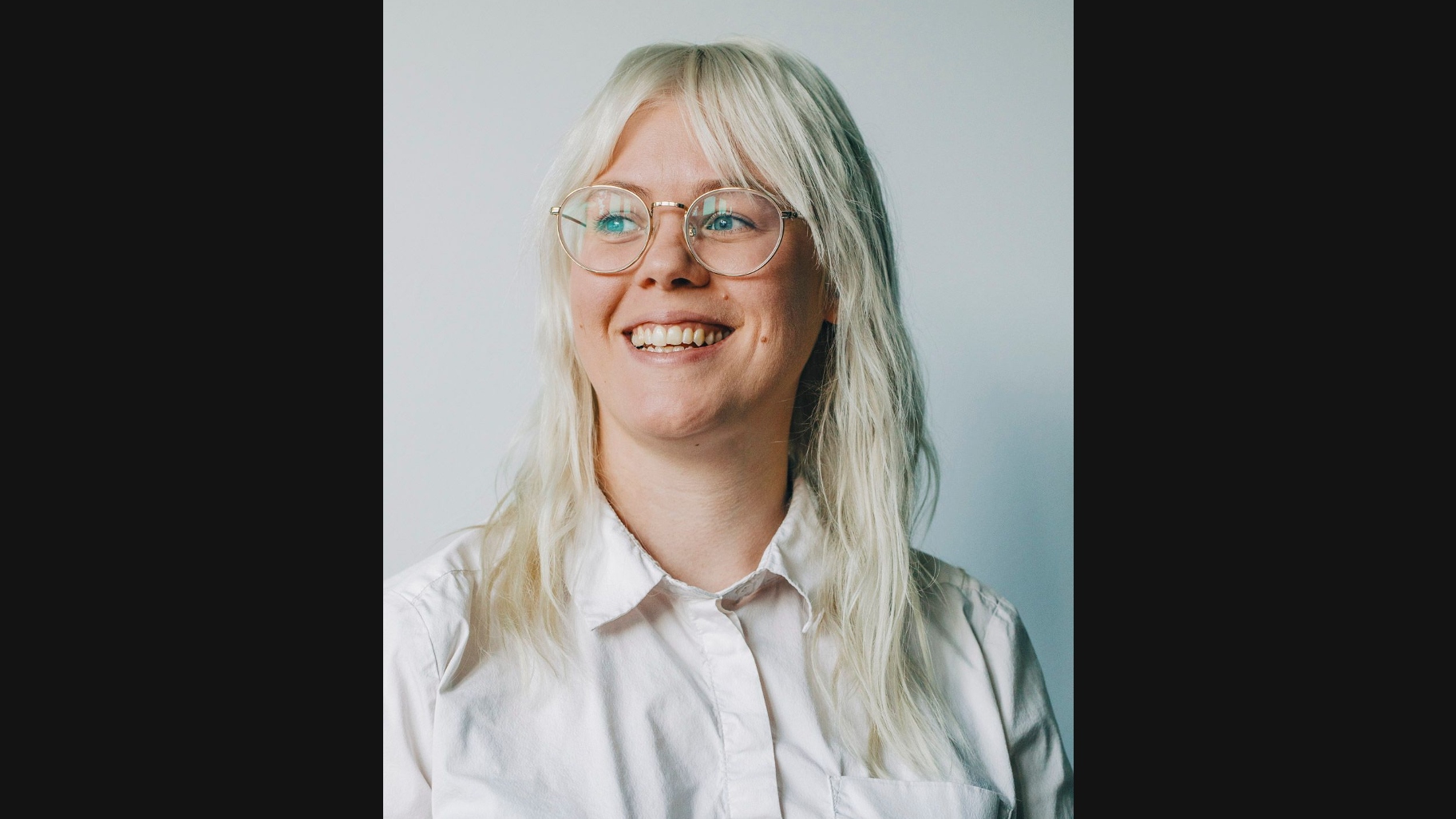
About the Candidate
Name: Ambria Taylor
Date of Birth: Oct. 22, 1987
Occupation: Substitute Teacher (formerly middle school social studies teacher for CPS)
Political Experience: Community Organizing, have held no previous elected office
Political Party: Democrat
Website: AmbriaForAlderman.com
Twitter | Facebook | Instagram
Candidate Q&A
Why are you running?
I think we need somebody who’s working class, not only to represent this area but to put the needs of working people first in Chicago’s government.
I’m politically independent, hard-working, and practical — like the people I will represent. I don’t take corporate cash and I will never make deals with developers behind your back.
I will create committees with resident representatives to make sure there is a formal community-based decision-making and transparency. There will be an organized system for responding to calls and complaints from residents, rather than the hit-or-miss way it’s handled now. Multilingual proactive resident services will be a priority. On City Council, I will not be a rubber stamp for the mayor, no matter who that person is. I will fight for good city staffing so that our schools, parks, libraries, and infrastructure function like they should.
What does this office do well, and what needs fixing?
The biggest issue is lack of transparency around how resident concerns are (or are not) addressed and lack of resident input for budget and development decisions. My vision is to have formal committees that allow for public input *before* a decision is made. That includes a zoning advisory board with resident representatives from neighborhoods in the 11th ward where all development proposals are made directly that is also tasked with holding community meeting for broader feedback. The use of funds in local TIF disctricts is also a major concern considering the 5 million given to Pepsi and 1.5 million given to Vienna Beef for new warehouses. Proposals for use of TIF money should be something collaborated on publicly that benefits everyone in the area.
What is the most pressing issue facing your constituents and how do you plan on addressing it?
Safety concerns including traffic safety has come up over and over as we have knocked on doors. TIF and ward budget (and potentially grant funds) can be used to identify the highest priority streets and immediately install traffic calming measures like raised crosswalks, road narrowing, roundabouts etc. Local sports and other programming is greatly needed for local youth to keep them off the streets, and I will partner with the park district and other parties to improve what is offered. On the city level I believe we need to move the burden of mental health calls from police officers to other departments, ensure that housing is affordable, and re-open our shuttered mental health clinics and provide free mental health care for those in need.
What specific steps would you take to ensure your office is accessible and responsive to your constituents?
The system for responding to resident calls and complaints needs to be completely overhauled. Constituents deserve to know exactly what kind of follow up they can expect and when. I will bring the ward office's system into the 21st century and will also make the list we are working through more transparent in nature. We will have mass communications in mulitple languages. I will also creative a multilingual non-citizen advisory board made up of residents who cannot vote so that there is a way for this group of people to influence government and the ward office to advocate for their needs.
Do you believe in the tradition of aldermanic prerogative, which gives each City Council member the final say on issues in their ward?
There are many pros and cons to this tradition. In the right hands, it can be very useful. In the wrong hands, it has opened up many opportunities for corruption and backdoor deals. My belief is that the system should be engineered as much as possible to make corruption harder. I therefor would support ending aldermanic perogative, but we would have to be very careful about what kind of system we would have moving forward.
Should the $1.9 billion budget for the Chicago Police Department increase, stay the same or decrease?
Public servants are stretched thin. As a teacher I know what it's like to be expected to be everything for everyone. Police officers responded to 41,000 medical calls they did not need to be at in 2019. The city needs to pick up the slack and have other departments take care of these kinds of calls that are outside of police officer's job description. Money can be decreased and reallocated as responsibilities are shifted to other departments, and less police officers will be forced into working overtime.
Should the city raise the Real Estate Transfer Tax on properties sold for more than $1 million to fund programs to help unhoused Chicagoans?
Yes. It's essential that we house people.
Should the city open and operate mental health clinics to provide free care to Chicagoans?
Yes. We never should have closed down the public mental health clinics. The reopened clinics should be staffed by union city workers.
How should Chicago build the 120,000 homes it needs for low- and moderate-income Chicagoans?
A good start would be to stop selling off land owned by the Chicago Housing Authority (CHA) and start making plans for building public housing on it. The CHA is sitting on unused money. We also need to be more aggressive about affordable housing requirements in new developments and for pushing for a better definition of "affordable" that better matches what the typical working person in Chicago can pay for rent.
What do you see as potential solutions to address the number of shootings in Chicago?
Give people better ways to get money.
We need better jobs programs and we need to improve our community colleges. There are proposals to make the county's community colleges hubs of resources for social services. Better youth programming in general and better rollout of summer jobs programs for youth is also essential to get young people off the street (who are the age group most frequently involved in shootings and theft), universal basic income, better public transportation to get to jobs, and major city investment in Chicago's criminally neglected south and west sides.
Should a new high school be built at 24th and State streets, on land owned by the Chicago Housing Authority?
No. I want a new high school on the north side of the ward, but I am against using land owned by the Chicago Housing Authority for anything other than public housing.
What steps should the city take to help Chinatown continue to grow?
As already stated in the question, Chinatown is already flourishing and growing. It's very important that Chinatown be given breadth to continue doing what is already working and for local leadership to have a lot of autonomy in development decisions. For one, I do not support the additional tax that was placed on Chinatown through the SSA Program — a deeply unfair burden on small business owners. This decision should be reversed if the city wishes to support Chinatown's growth. I would also give leaders and the public in Chinatown a great deal of deferral in development decisions through a formal board that features a balanced group of voices from the area that handles ward office approval for all development proposals.